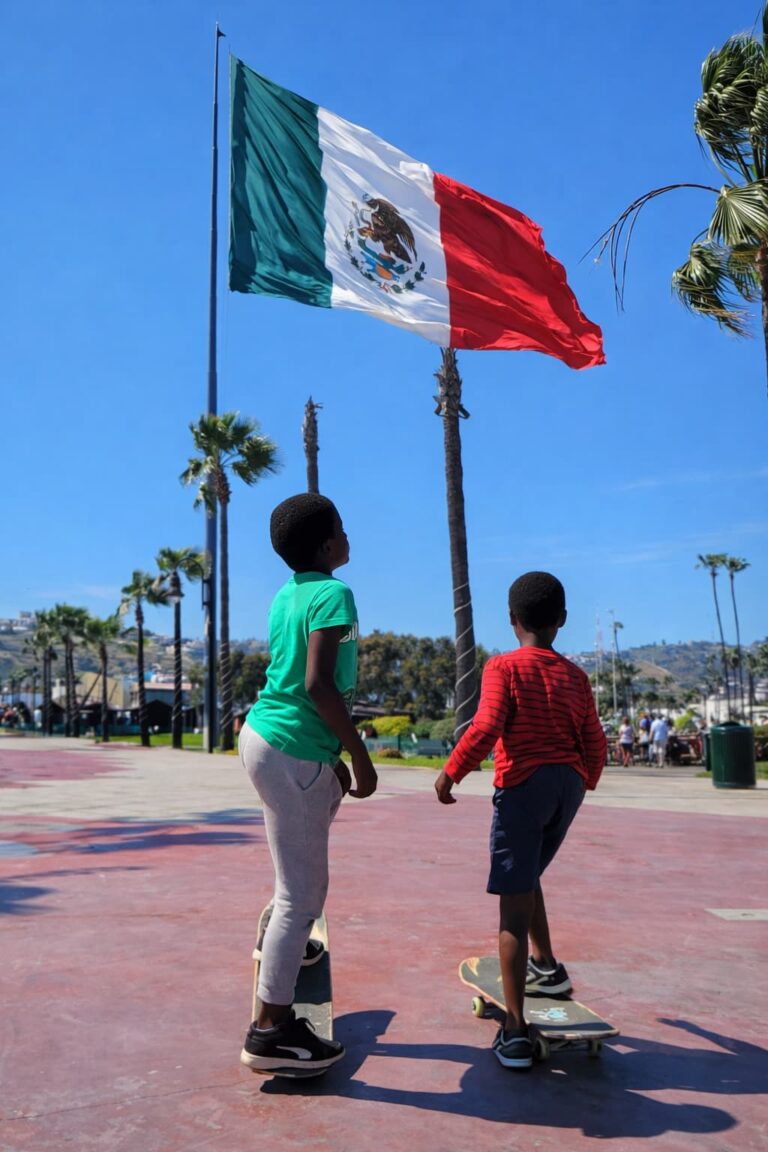
Before moving to Mexico, I discovered some interesting facts about Mexico, with its well-known history, distinct culture, and Latin beauty. Being here is just a completely different experience that everyone should experience at least once in their lifetime.
There are plenty of facts about the country, but we’ve decided to name my top 20 in this article. Whether you are planning a trip or looking to learn random facts, here we go.
Mexico, officially called the United Mexican States, ranks as the world’s 11th most populous country, with more than 130 million people. Or that Mexico City is the largest city in North America, with a population of over 21 million?
Mexico is also home to a diverse range of ecosystems, from deserts and mountains to tropical rainforests and pristine beaches. With so much to see and experience, it’s easy to understand why Mexico attracts travelers from all over the world.
Locations of Wonder in Mexico
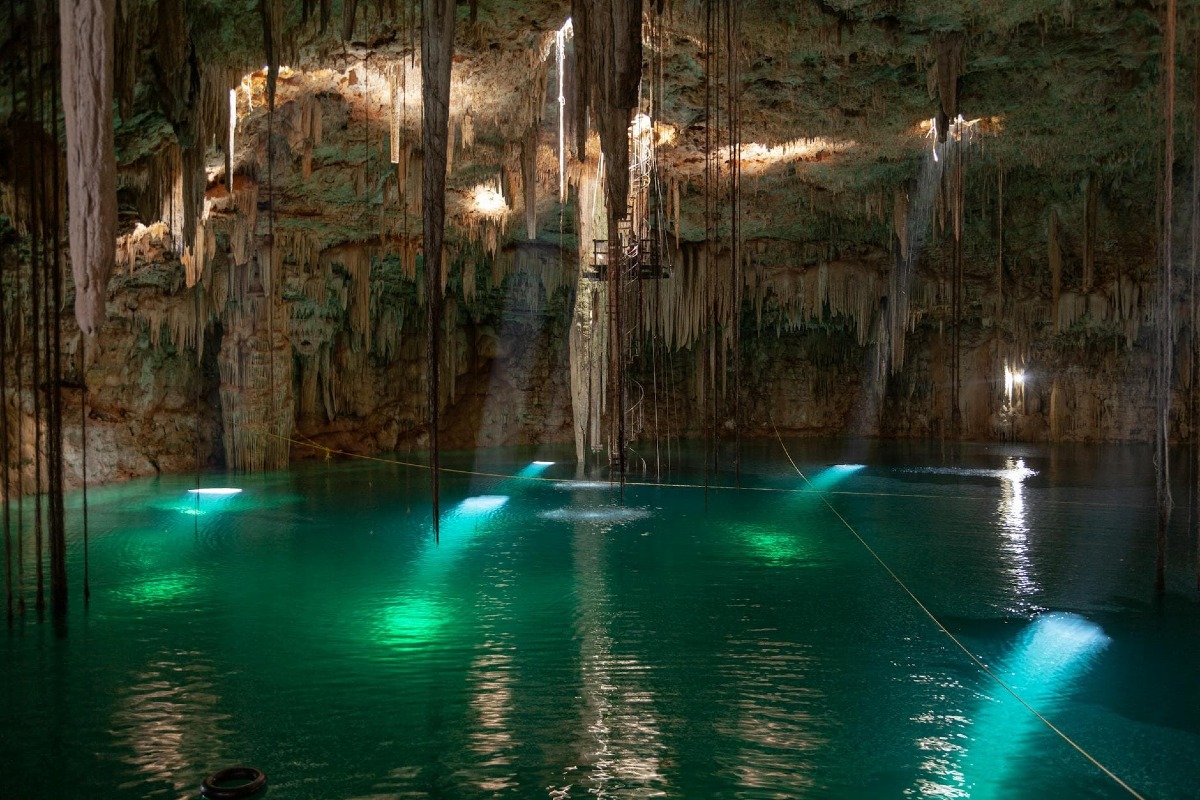 Photo by UploadedYucatan Peninsula and Cenotes
The Yucatán Peninsula is special in its location due to its limestone bedrock and underground rivers. This region of the country has over 6,000 cenotes, which are natural sinkholes filled with crystal-clear water, with the best swimming experiences possible.
Besides their natural beauty, they also hold deep cultural importance. It is believed that these cenotes, which connect to the underground rivers, were gateways to the underworld and used for religious ceremonies and sacrifices by the Maya civilization.
We all appreciate a nice, relaxed vacation from time to time, especially one where the logistics are taken care of, and all you have to do is show up. If that sounds like your kind of trip, GoWithGuide is worth a look.
Mexico’s Stunning Coastlines
Mexico has been blessed with some of the best beaches. Some of the more popular beaches, like Cancun, Puerto Vallarta, and Cabo San Lucas in Baja California, are particularly famous for their absolutely clear waters, white sand, and mesmerising sunsets.
If for one minute you thought the beaches were just for swimming and sunbathing, you’d be wrong. Due to the vast tourist attractions, there’s nonstop access to surfing, snorkeling, and scuba diving. You might also enjoy exploring the coral reefs or swimming alongside colorful marine life.
Volcanoes and Natural Landscapes
Mexico is home to 14 volcanoes spread throughout the country, 12 of which are still considered active. The Popocatepetl and Colima volcanoes are the two currently most active, according to the National Center for Disaster Preparedness.
For nature lovers, the landscapes of Mexico are also a sight to behold. Copper Canyon, located in the northern state of Chihuahua, is the largest in North America and a highly sought-after destination for hikers and nature enthusiasts.
Mexico’s Unlimited History
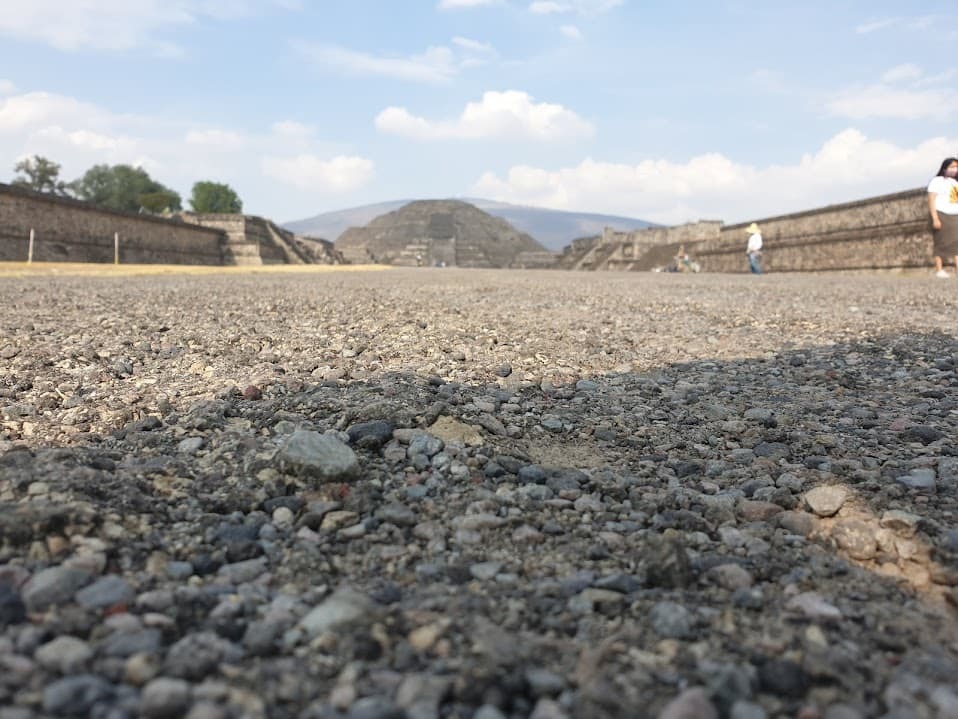
Ancient Parents
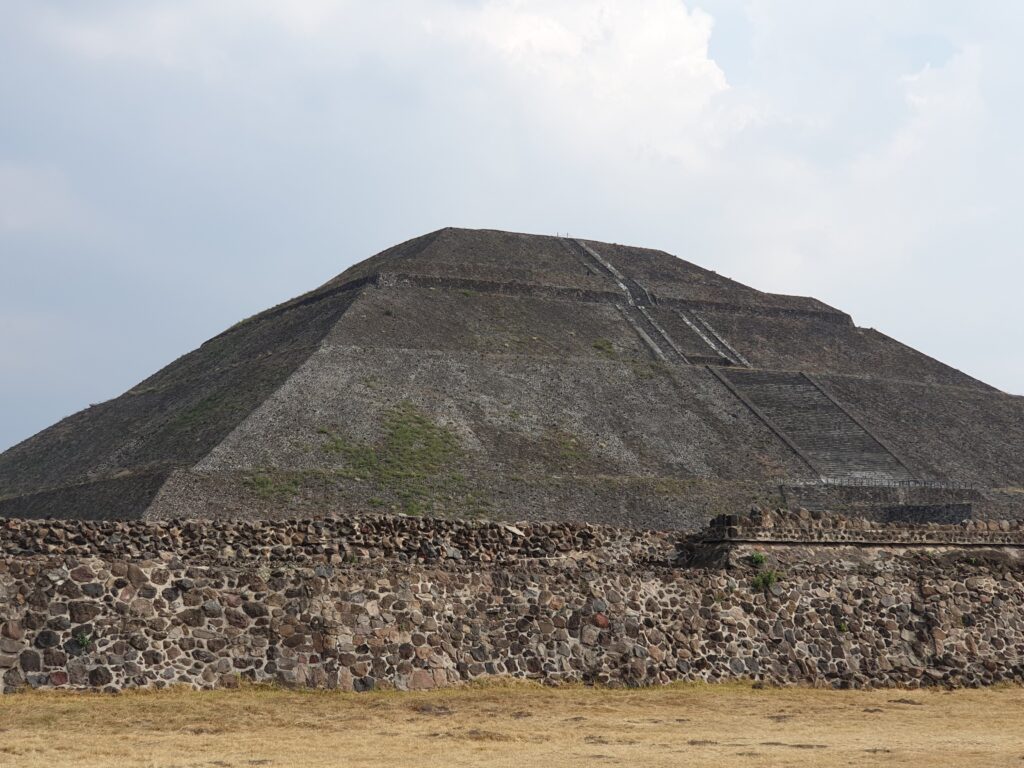
History tells us that Mexico is home to some of the most famous ancient civilizations, including the Aztec Empire and the Maya civilization. The pyramids that stand today are linked to them and attract tourists from around the world. Believe it or not, the Great Pyramid of Cholula is the largest pyramid in the world by volume.
Teotihuacan and Chichen Itza rank among Mexico’s best-known ancient cities, famous for their striking pyramids, temples, and rich history. These cities were built around 200 BCE and 600 CE, respectively. At its height, Teotihuacan ranked among the largest cities in the world.
Colonial History
Spanish conquistadors took control of Mexico in the 16th century, and that colonial era helped shape much of the country we know today. Its influence is still easy to see, especially in the historic buildings that have remained standing for centuries.
The Path to Independence
After years of conflict and sacrifice, Mexico won its independence from Spain in 1821. Today, the country marks Independence Day each year on September 16.
Miguel Hidalgo, a Catholic priest, is widely known as the father of Mexican independence because he sparked the 1810 uprising against Spanish rule, which set Mexico on the path to freedom.
Related Posts:
Cultural Heritage
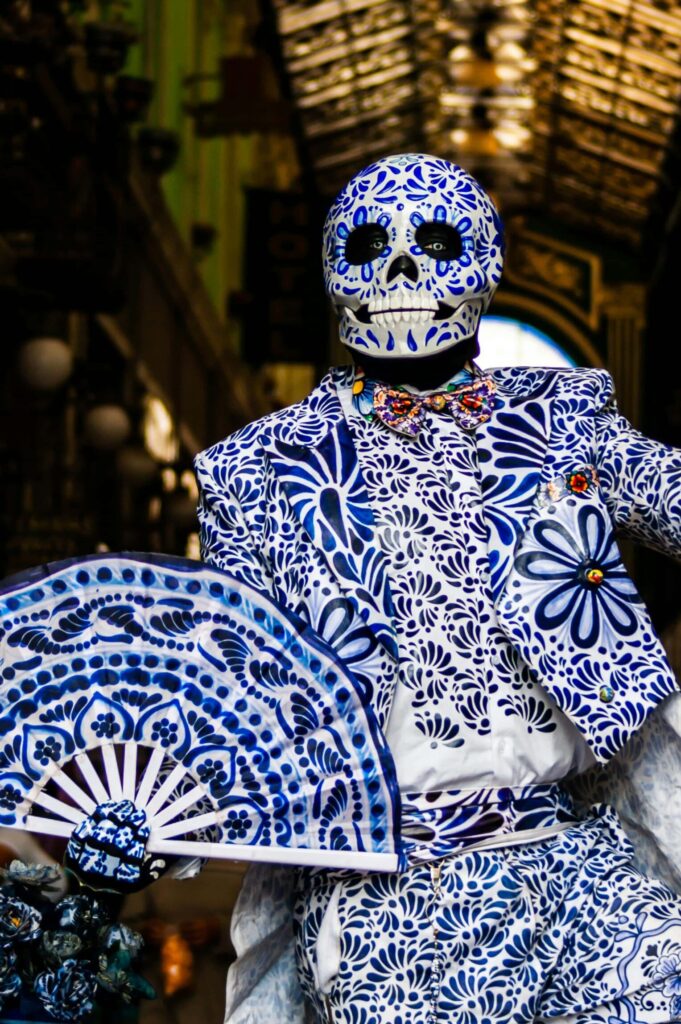
UNESCO World Heritage Sites
Mexico is home to 35 UNESCO World Heritage Sites, the highest total in the Americas, including North America and the Caribbean. These places include ancient landmarks like Teotihuacan and Chichen Itza, along with colonial cities such as Guanajuato and Morelia.
Mexico City is a lively center of cultural heritage. Its Historic Center sits on land that was once part of the Aztec capital, Tenochtitlán, and it still features colonial buildings from the Spanish conquest. Key places to visit include the National Museum of Anthropology and the bright, boat-filled canals of Xochimilco.
Festivals and Traditions
Dia de los Muertos, known as Day of the Dead, is a beloved festive season celebrated on November 1st and 2nd. Families gather to remember and honor their deceased loved ones with offerings of food, flowers, and gifts.
Art and Music
- Frida Kahlo, one of Mexico’s most famous artists, is renowned for her self-portraits exploring themes of identity, gender, and Mexican culture. During festive seasons, mariachi music, which originated in the state of Jalisco, fills the air with its lively trumpets, violins, and guitars.
- The Mexican flag, featuring the eagle, serpent, and cactus from an ancient Aztec legend, embodies the pride of the nation. Mexico’s cultural heritage stands strong and draws visitors from around the world to experience it firsthand.
The Food

My boys enjoying their favorite tacos, Taco de Pescado and Taco de Carne.
Mexican cuisine is a melting pot of flavors and influences, making it one of the most diverse and delicious cuisines in the world. From street food to upscale restaurants, there is something for everyone. Here are some fun facts about the culinary delights of Mexican cuisine that will surprise you:
Cultural Cuisines
- Corn (maiz) is a staple and is used to make tortillas, tamales, and many other dishes.
- Beans (frijoles) are another essential ingredient and are used in a variety of dishes, including refried beans and chili con carne.
- Chocolate originated in Mexico, and it has been used in cooking for centuries. Mexican hot chocolate, very popular and very good, is a popular drink made with cocoa, cinnamon, and sugar.
- Tacos are one of the most popular Mexican dishes, and they come in a wide variety, including carne asada, al pastor, and fish tacos.
- Mole is a rich, flavorful sauce that is often served over chicken or other meats, with renowned varieties from states like Oaxaca and Puebla. It is made with a blend of spices, nuts, and chocolate.
Stop, hear me out. I know what you’re thinking. You need a group that’s everything Dads. Look no further! Join our free Facebook group Fatherhood Uncut
Some of Mexico’s Best Drinks and Spirits
- Tequila is a well-known spirit that is made from the blue agave plant in Mexico. It is often served with lime and salt and is used in many cocktails, including margaritas.
- Mezcal is another spirit that is made from the agave plant. Its smoky flavor is known to be served with orange slices and chili powder.
- Horchata (Rice Water) is a highly refreshing drink made with rice, cinnamon, and sugar. It is served over ice and is perfect for hot summer days. (I still miss having a cold horchata on a hot day in Ensenada.)
- Mexican beer is also popular, with brands like Corona, Dos Equis, and Modelo being well-known outside of Mexico.
Related Posts:
Flora and Fauna
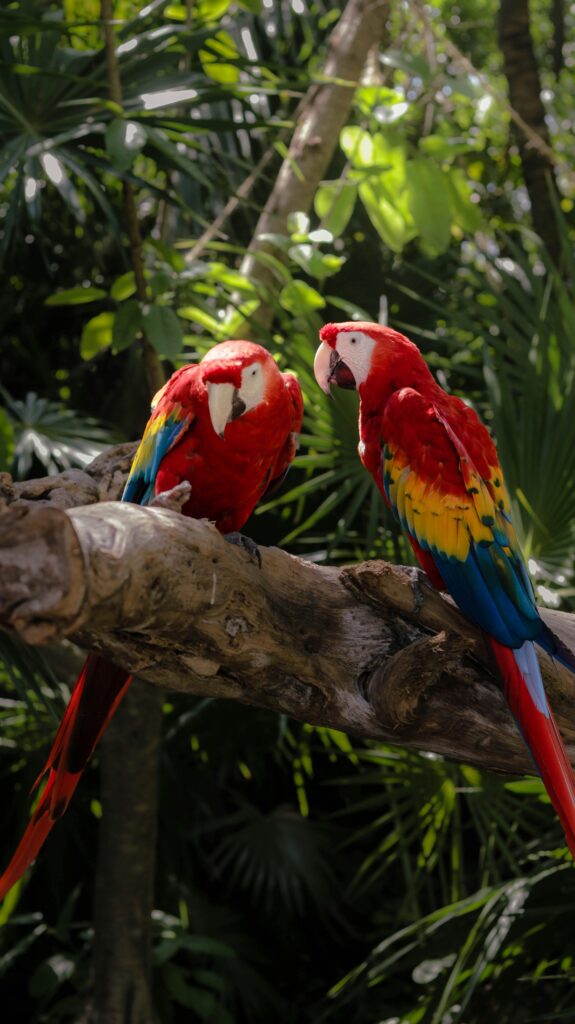
High Levels of Species Diversity
- Mexico is one of the world’s 17 megadiverse countries, which means it holds a large share of the planet’s biodiversity. Because of that, the country supports an impressive range of plant and animal life across its many ecosystems.
- The country has four biodiversity hotspots: the Madrean pine-oak woodlands, the Mesoamerican Gulf-Caribbean mangroves, the Mesoamerican Pacific mangroves, and the Tehuacan-Cuicatlan Valley.
- These hotspots are home to many plant and animal species, many of which are native to Mexico.
Endemic and Local Species
- The endemic landscape is home to over 26,000 species of plants, of which over half are local to the country.
- The jaguar, Mexico’s largest cat, is a threatened species and is found in the country’s tropical forests.
- The monarch butterfly, which migrates from Canada and the United States, is a common sight in the country’s winter months.
- The Mexican gray wolf, also known as the Lobo, is a critically endangered species that is found in the northern parts of the country. Economic and Demographic InsightsPopulation
- Mexico ranks as the 11th most populous country in the world, with a population of more than 140 million people in 2024.
- The median age in Mexico is 29, which gives the country a fairly young population.
- Since the 1960s, Mexico’s fertility rate has fallen from 6.7 children per woman to 2.1 in 2024, which is considered the replacement rate.
- Mexico has a diverse population. About 21% of its people identify as Indigenous, and the country also has more Spanish speakers than anywhere else in the world.
- In 2024, Mexico’s GDP is expected to top $2.5 trillion, placing it among the world’s 15 largest economies. Much of that strength comes from major cities, especially Mexico City, which plays a central role in business and trade.
- Mexico is also a leading exporter of manufactured products, with the automotive, electronics, and aerospace sectors driving a large share of that output.
- Along with being the world’s top silver producer, Mexico also mines large amounts of gold, copper, and zinc.
- Tourism remains a major part of the Mexican economy. In 2024, the country welcomed more than 40 million international visitors, which puts it among the 10 most visited nations worldwide and ranks it seventh overall.
- The official currency in Mexico is the Mexican peso, listed as MXN. As of 2024, 1 U.S. dollar equals about 16 Mexican pesos.
Language and Learning
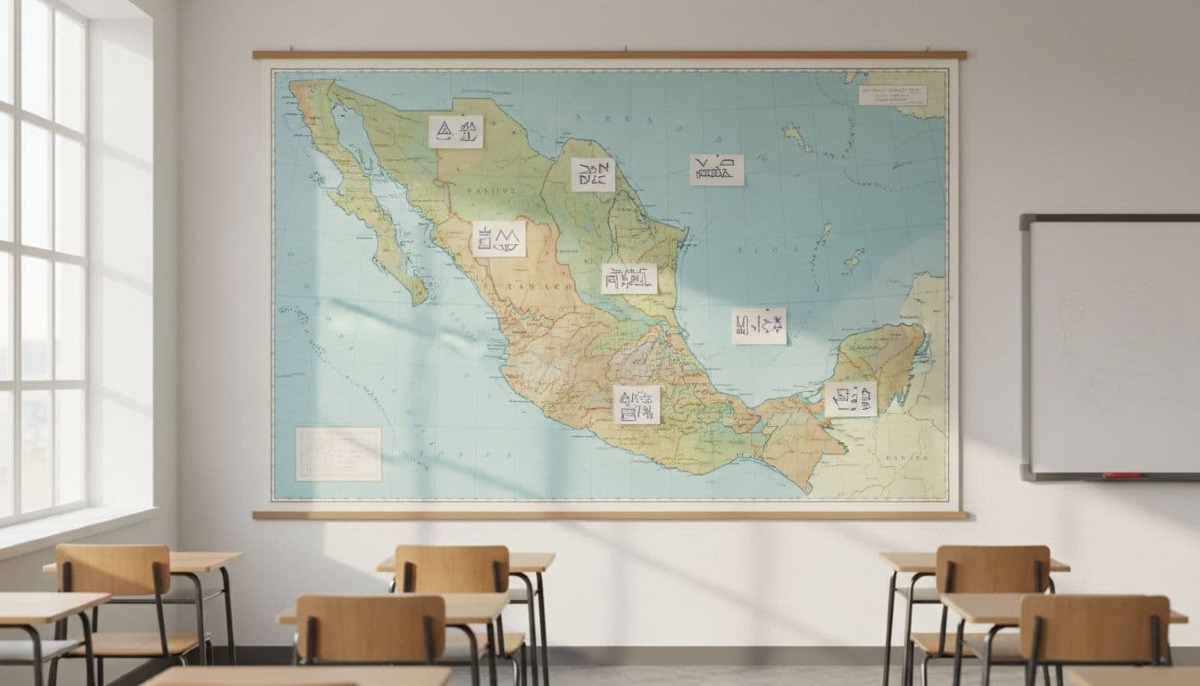
Unofficial and Indigenous Languages
- Most people in Mexico speak Spanish, even though it is not the country’s official language. At the same time, Mexico recognizes 68 national languages, including Indigenous languages like Nahuatl, Maya, and Zapotec.
- The government gives these Indigenous languages national status, and the Mexican Constitution protects them. In some parts of the country, they are still the main language people use every day. Mexico also recognizes Mexican Sign Language, alongside Spanish and Indigenous languages.
Educational Milestones
- The National Autonomous University of Mexico (UNAM), located in Mexico City, is the oldest university in North America. It dates back to 1551.
- In Mexico, school is required for children between the ages of 6 and 14. Even so, some students still miss out, though the government has worked to improve access in recent years.
- Even with that progress, the education system still faces issues, including high dropout rates and low literacy levels in some parts of the country.
- Mexican schools also teach major moments from the country’s past, including Cinco de Mayo, which marks Mexico’s victory at the Battle of Puebla.
Like what you read? Spread the word! Share this post with your family and friends.