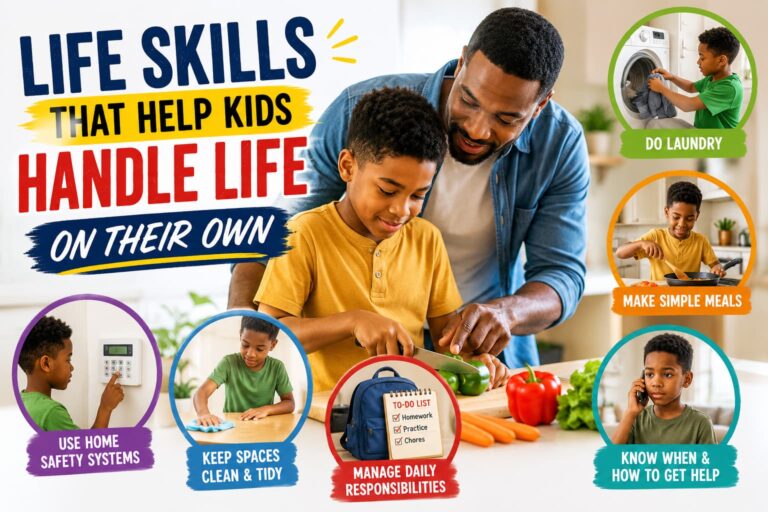
I am conflicted. Should kids do chores at home? I know my kids need to learn to cook, clean, make their beds, and do everything else, but I want those chores done to a high standard.
They’ve had years of watching me do it day in and day out. It would be so much easier to just say, “let me do it myself,” but that would clearly be a mistake. Children are curious and helpful in the right circumstances, so the best approach is to create those circumstances.
Last week, the kids asked for a beach day since the weather was fantastic. We live right across from the beach, yet they rarely join in beach activities. Their request caught me off guard, especially since fun outings always come after chores are done, so I kept up with my regular cleaning.
To my surprise, they started pitching in without me asking. They hoped their helpfulness would score them that beach day. These little rascals think they can outwit me, and I have to give them credit for trying.
Household chores, in my humble opinion, teach our young ones responsibility and independence. It is our job as parents to cultivate those traits from a young age for their future benefit; chores serve as the gateway to that independence.
When kids are given tasks to complete around the house, they learn the importance of contribution to the family unit. They understand that their actions have an impact on the overall functioning of the household. This instills a sense of responsibility in them from a young age.
 Assigning chores to kids
The objective of assigning chores is twofold; it helps lighten the load and the time it takes, which can be lengthy at times. Second, chores teach kids responsibility, independence, and basic life skills needed in adulthood.
We all have an innate desire to be part of a team and chores give that win. It shows their work matters, builds confidence, and makes them want more responsibility.
Age-appropriate chores
Age-appropriate chores help kids succeed and build confidence. For ages 2 to 4, simple tasks like putting away toys, dusting low surfaces, or setting the table work well.
In my household growing up, I was the youngest, so I had very few chores. My older sisters handled most of the work, and that taught them useful skills like cooking and cleaning, which is why age-appropriate chores matter. While I had to learn them later on, it was not fun learning fundamental skills at a later age.
How to create a chores list for your kids
Creating a chore list with age-appropriate chores helps kids know what’s expected. List the daily and weekly tasks, assign jobs they can handle, and use pictures or charts to help them keep up. Review the list as they grow and adjust it when needed.
Age-based chores
Assigning household tasks that match your child’s age helps them grow and do well. These examples teach useful home skills through hands-on help around the house. I use this age-by-age guide for age-appropriate chores:
Ages 2 to 5:
- Putting away toys
- Matching socks
- Wiping surfaces with a cloth
- Feeding pets (with supervision)
Ages 6 to 9:
- Making their bed
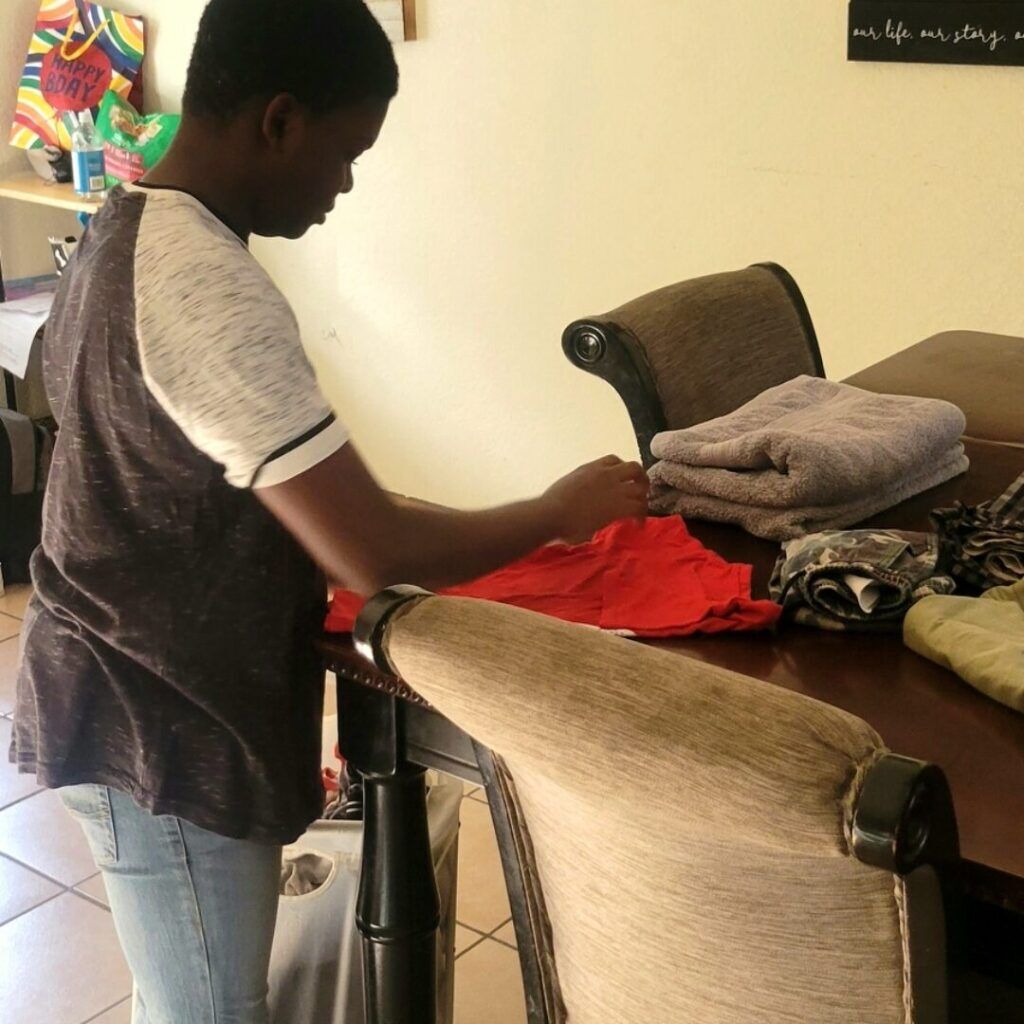
- Sorting laundry
- Setting and clearing the table
- Sweeping the floor
Ages 10 to 15:
- Doing the dishes
- Vacuuming the carpets (to support cleanliness and order)
- Taking care of the yard (under supervision)
- Assisting with meal preparation
Teach kids chores
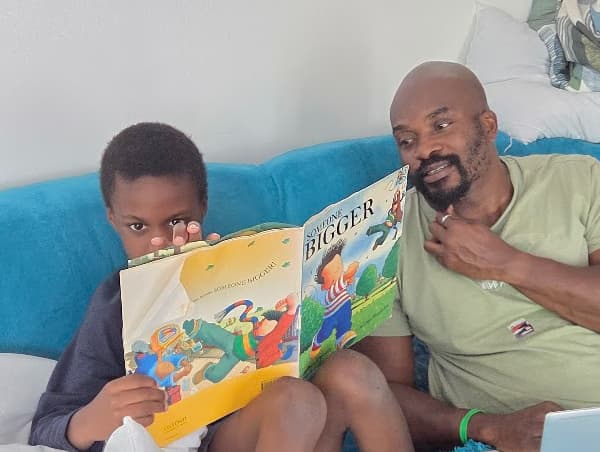
In today’s modern society, the roles within a family are steadily evolving. Dads play an integral part in teaching kids household chores and instilling responsibility, while moms work or facilitate other areas within the family structure. We have the opportunity to teach their children valuable life skills from a different point of view.
Dads can assign age-appropriate chores to their kids. Although we are mostly seen as disciplinarians, we can be gentle and patient (well, I try). It’s more of a work in progress. For ages 2 to 5, age-appropriate tasks like wiping surfaces help develop fine motor skills while reinforcing age-appropriate chores.
By actively involving ourselves in household tasks and leading by example, stay-at-home dads can teach our children the importance of contributing to the family unit and taking care of their surroundings.
Progress tracker, chore worksheet, and sometimes a reminder
Keeping track of your children’s progress in completing household chores can be made easier with the help of a household chores worksheet. This worksheet can be a simple chart or checklist that allows you to monitor your children’s responsibilities and track their accomplishments.
It can also serve as a visual reminder when things need to be done, similar to homework and school event charts. To be totally honest, I find myself in greater need of those visual charts even more than the children. With the chaos of life, I truly value any and every reminder they can provide.
1. Make It Fun
Children need to have fun; it is in their little playful DNA. If it’s one thing you take away from this post, it is this. Even as adults, sometimes doing things we don’t enjoy becomes a bore really fast, much less for our children. When they are having fun, they will be more inclined to do it and do it right.
2. Offer Choices
Giving your children some autonomy by choosing which chore they tackle first gives them a sense of control. Provide them with a list of options and let them have a say in their responsibilities. This way, they will feel more invested in the tasks assigned to them.
3. Follow Their Interests
Consider your children’s likes and dislikes and choose their chores accordingly. If they enjoy being outdoors, give them tasks related to gardening or taking care of the yard. If they have an affinity for cooking, involve them in meal preparation.
By aligning chores with their interests, children will be more enthusiastic about completing them. Having some cool gardening gadgets will also help, like leaf blowers or electric garden trimmers (with supervision of course).
4. Make It A Learning experience
Use household chores as an opportunity to teach your children valuable skills. Everything we do in life has educational value; this is the time to teach. Demonstrate proper techniques and provide guidance when necessary. This way, children will not only learn how to complete the chore but also understand its significance.
5. Lead By Example
People say “Children learn by observing their parents”; I’m not saying my kids are different, but they haven’t caught on yet. I’ll keep hope alive. If they see us actively participating in household chores and taking pride in our work, they will be more likely to follow suit. Be a positive role model for our kids and show them the importance of taking care of their surroundings.
6. Let Them In Whatever You Are Doing
Whenever my boys hear the pots banging in the kitchen, they already know what time it is. I’m not sure whether they are willing to learn or just want me to hurry up and finish. One thing with my boys, they love helping in the kitchen. I think they have figured out that since they love eating so much, if they can prepare their own meals, they won’t need me. Whether it’s cooking, cleaning, or organizing, involve them in the process. This not only provides valuable bonding time but also allows them to learn by doing. Together, we can accomplish more and create lasting memories.
Chores as a Tool for Financial Literacy
One of the best ways to teach kids about money is to connect it to real effort. One simple method is to tie an allowance to household chores. That gives children a clear link between work and reward, while also building self-discipline and helping them prepare for adult life. A reward system with positive feedback works well, too, because kids can talk about what they earned and why. If you want extra guidance, a teach kids about money book like The Everything Kids’ Money Book by Kathryn Siegel is a solid place to start.
As parents, our little ones learn from us every day. We are the center of their world, and they watch how we act, react, and handle emotions. That means patience with them also asks for patience with ourselves. The goal is not just finishing every item on a to-do list before bedtime. It is about building a life with purpose, loving our family well, and leaving a positive mark on the people we meet. Chores help with that growth, and they can support school success, better habits, and a stronger sense of responsibility over time.
Everyday chores that kids can help with
There are countless everyday chores that kids can actively participate in, creating a positive dynamic between children and chores. Around dinner, it’s a family event at my house, with all hands on deck: one person getting the forks and plates, and even washing the dishes afterward. Here are some examples.
With this checklist, you are not only lightening your workload but also teaching them essential skills, including time management through visual aids, that will benefit them as they grow older and help raise successful kids.
- Setting the table before and after meals
- Putting away groceries
- Watering plants
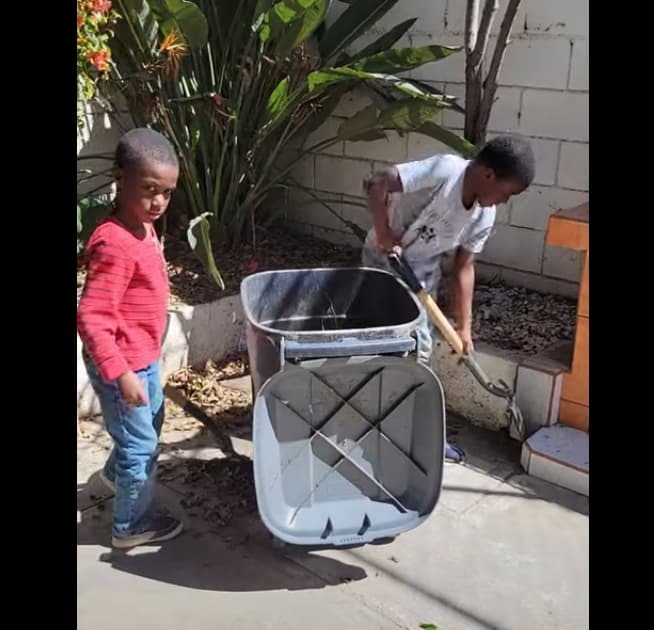
- Taking out the trash
Join our community and stay updated with the latest insights and resources. Subscribe to our newsletter now!