Most of us don’t need more advice. We need something that actually works and has proven results when things get sticky.
Parenting… books can either sit on a shelf or change how you show up with your kids. The difference is choosing the right one for where you are currently in your parenting journey.
This list isn’t about reading all 12 but choosing that 1.
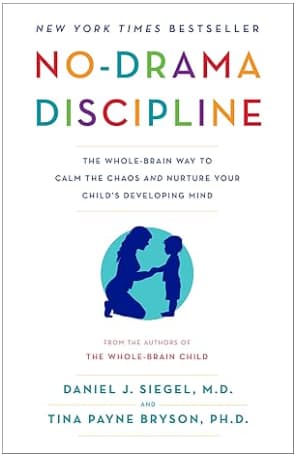
No-Drama Discipline
by Daniel Siegel and Tina Payne Bryson.
Best for: kids from toddlerhood through the elementary years.
Expectations: It starts with managing your own reactions, so you can answer with purpose instead of pure emotion. When you stay calm and steady, you’re not only guiding behavior; you’re also showing your child how to manage big feelings in a healthy way. No-Drama Discipline helps you respond thoughtfully.
Core takeaway: When we respond with clarity and calm, discipline takes the chance to teach, not just to stop certain behaviors.
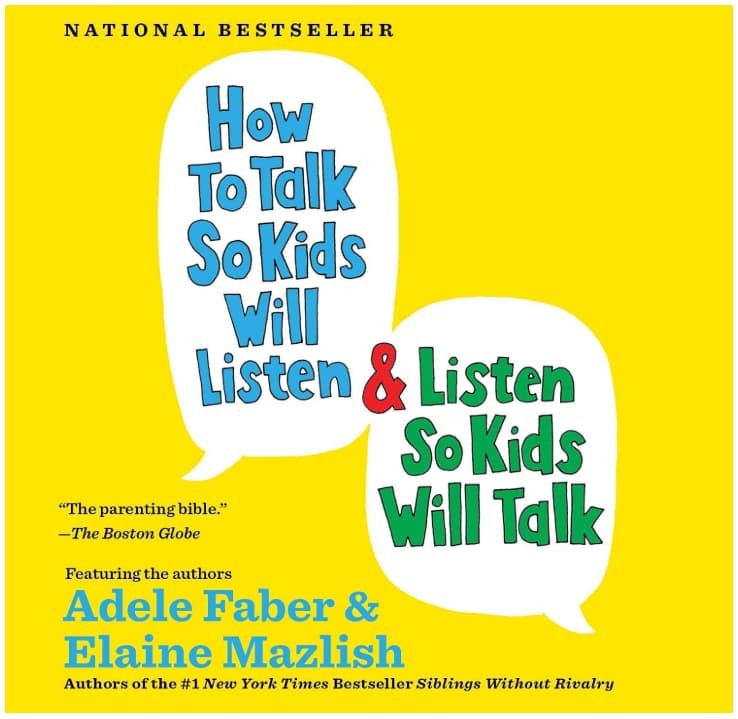
How to Talk So Kids Will Listen & Listen So Kids Will Talk
by Adele Faber and Elaine Mazlish, parent educators.
Best for: Ages 4 and up.
Expectations: This one is big on communication. Not talking at your kids but to them. It breaks down dealing with emotions, setting boundaries, and cooperation without friction/conflict.
Core takeaway: When kids are heard, they’re more likely to listen.
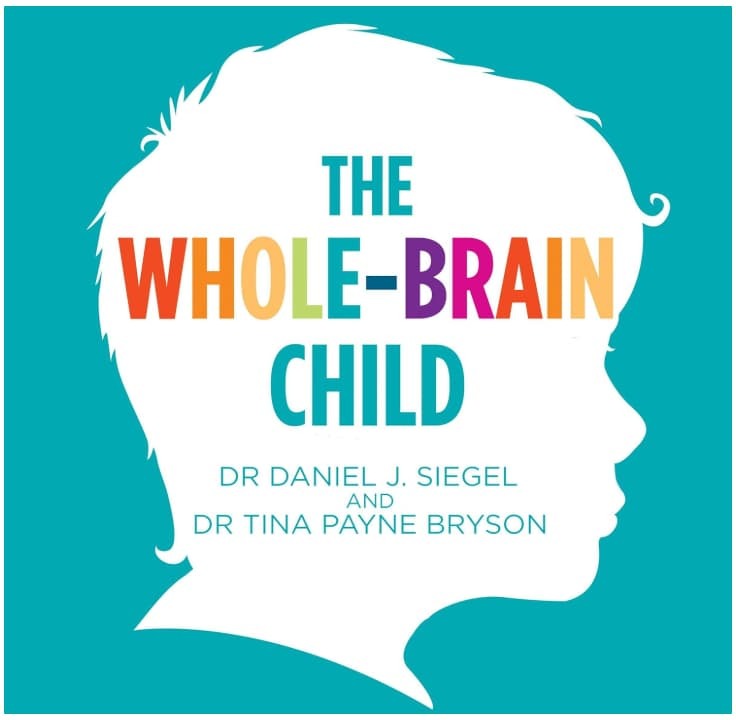
The Whole-Brain Child
by Siegel and Bryson
Best for: Ages 3 to 12
Expectations: The Whole-Brain Child practically breaks down brain development and how a child’s brain develops, explaining why kids do and react the way they do in emotional moments. They provide scripts for different responses to certain situations and make sense of feelings, so it all makes sense.
Core takeaway: Over time, kids begin to connect their feelings with clear thinking, so they can regulate themselves instead of relying on you to control every response.
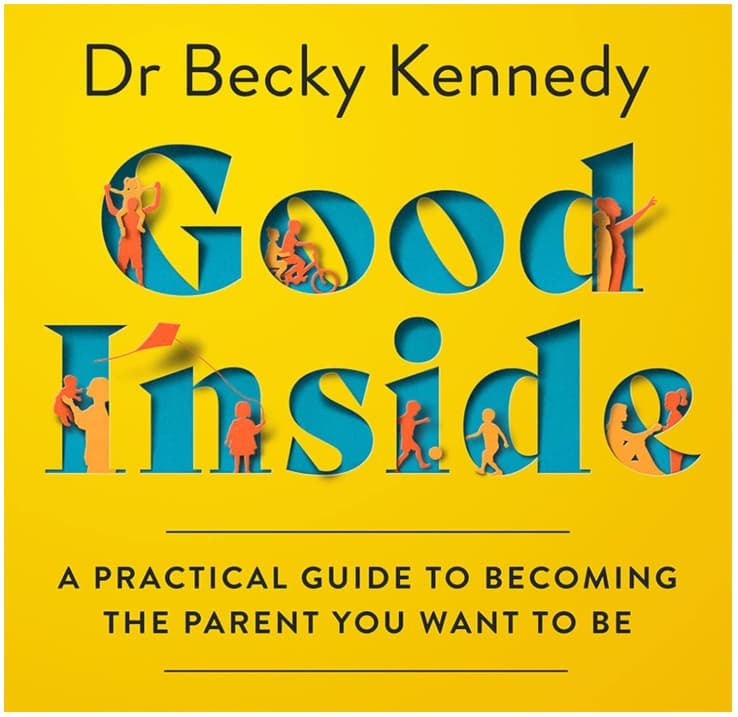
Good Inside
by Becky Kennedy, PsyD, clinical psychologist.
Best for: parents of kids 2 to 12
Expectations: The belief is that there are no “bad” kids, even when their behavior is challenging. It focuses on comprehending the reasoning behind the behavior and responding in a way that builds trust instead of shame.
If you’re looking at more of the best parenting books for toddlers, this therapist-reviewed toddler book list can help you find age-specific picks.
Core takeaway: When you believe your child is good inside, your behavior changes.
Books for attachment, anxiety, confidence, and raising kind kids
These books widen the lens. They help you build security, courage, and empathy, not just better behavior.
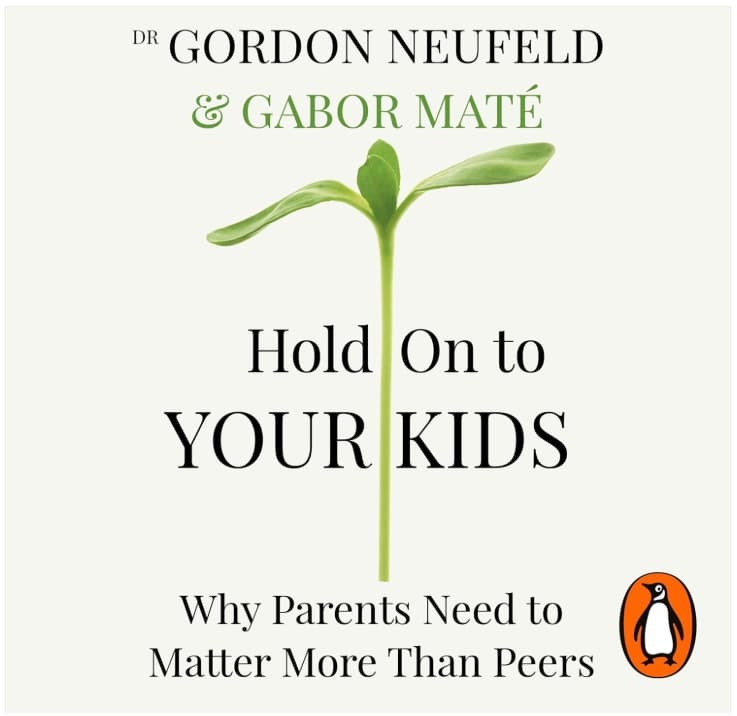
Hold On to Your Kids
by Gordon Neufeld, PhD, a developmental psychologist, and Gabor Maté, MD.
Best for: School-age kids and tweens
Expectations: Argues that kids are drifting away from their parents’ influence and becoming more attracted to their peers. Strong parent-to-child attachment is more essential, and losing that connection can affect behavior, identity and development.
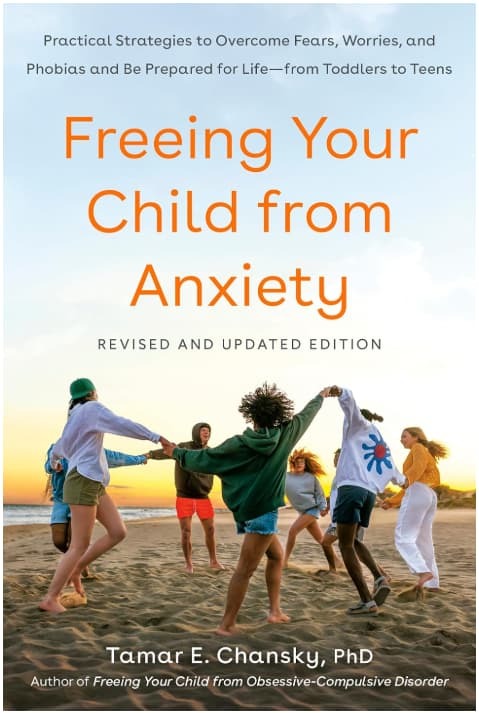
Freeing Your Child from Anxiety
Core takeaway: Your child needs you as an initial anchor, and when that bond is strong enough, everything else falls into place.
by Tamar Chansky, PhD, psychologist
Best for: An anxious child, usually 6 and up
Expectations: Break down how anxiety shows up in children and how it can take over their central thinking processes. It provides tips for ways children can challenge fearful thinking and build confidence by stifling anxiety.
Core takeaway: Shows kids how to manage worry, not to avoid it. Facing their fears with the right tools, they become in control and resilient.
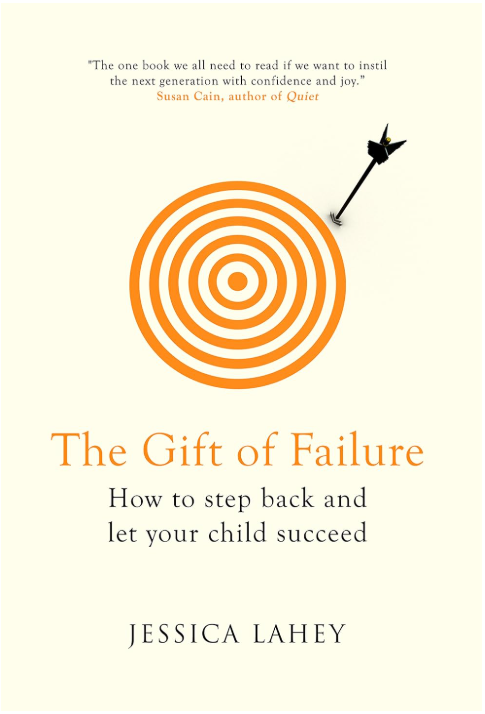
The Gift of Failure
by Jessica Lahey, teacher and writer.
Best for: School-age kids, teens, and teenagers
Expectations: Argues against the instinct of protecting our kids from every mistake. It shows that stepping back and letting children fail helps them build independence, confidence and solving real world problems.
Core takeaway: Failure isn’t something to fear. It’s the one most powerful thing that teaches lessons.
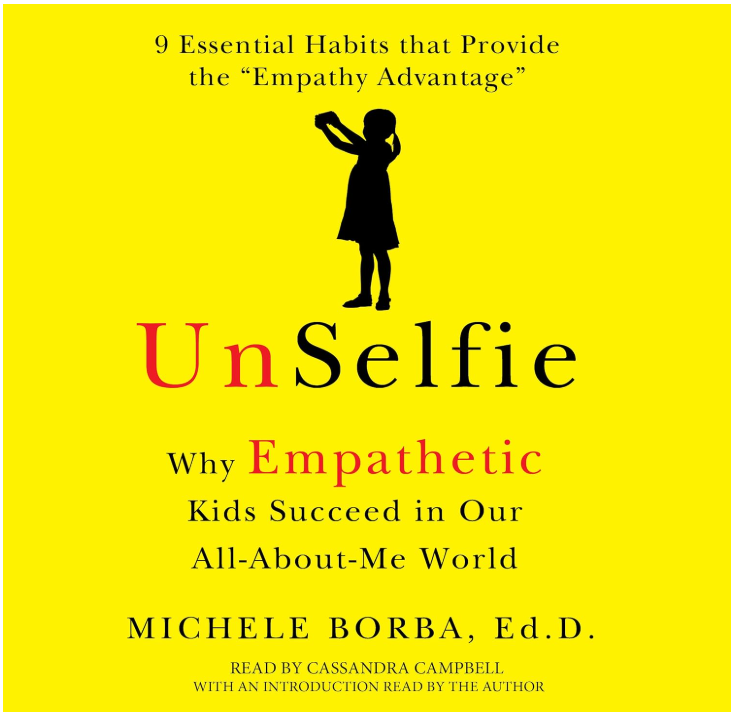
UnSelfie
by Michele Borba, EdD, educational psychologist.
Best for: Ages 5 and up
Expectations: It provides 9 ways to build empathy in our kids in a world that promotes self-focus and comparisons. It fact-checks why empathy is one of the most important traits for success and ways parents can actively teach it in everyday life.
Core takeaway: It matters more to raise kind, self-aware, and emotionally close kids than to pressure them to be the best. Empathy isn’t automatic; it needs to be taught, modeled, and practiced repeatedly.
Books for siblings, early years, and stage-specific parenting
Some seasons need a more targeted book, especially the early years or homes with more than one child.
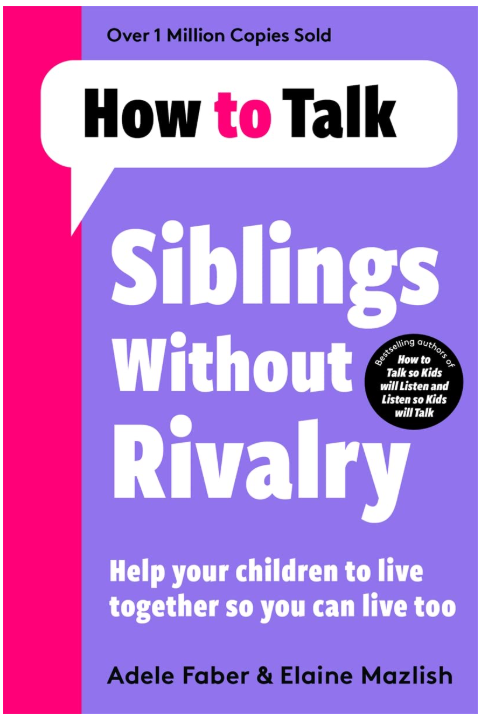
Siblings Without Rivalry
by Faber and Mazlish
Best for: Families with two or more kids
Expectations: Tackles sibling dynamics and the constant tension that can build between siblings and how parents can reduce conflicts instead of fueling them. It points out ways to help kids feel understood individually, instead of forcing comparisons.
Core takeaway: Rivalry often comes from how kids are treated and spoken to. When the approach is shifted, space is created for cooperation instead of conflict.
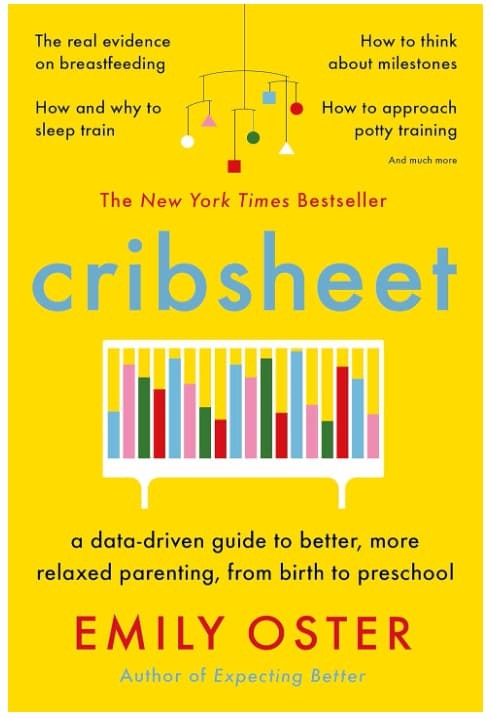
Cribsheet
by Emily Oster, an economist and researcher
Best for: first-time parents
Expectations: Cribsheet cuts through all the parental jargon and points towards the data of it all. It breaks down common decisions when it comes to sleep, feeding, and routines so you can make data-based choices, no pressure included.
Core takeaway: There’s no real “one” perfect way to parent. When you have the facts, confident choices are made easily for your family.
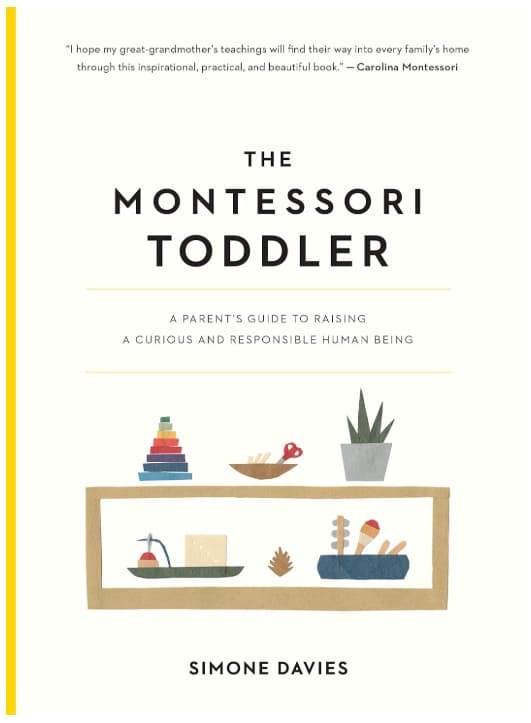
The Montessori Toddler
by Simone Davies, AMI Montessori educator.
Best for: Ages 1 to 3
Expectations: It promotes independence and curiosity through a calm, respectful approach in early childhood when raising toddlers. Its focal point is creating an environment where children learn, explore, and do things for themselves without constant correction and control.
Core takeaway: When you trust a child’s ability to learn and give them space to try, confidence is the natural outcome.
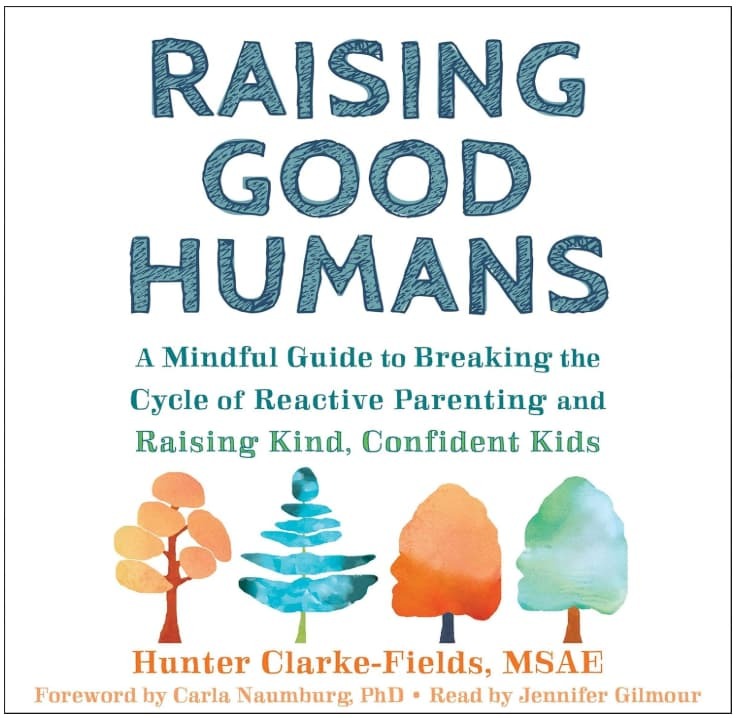
Raising Good Humans
by Hunter Clarke-Fields, mindfulness teacher and parenting coach.
Best for: Parents who want calmer habits
Expectations: Among the top parenting books, “Raising Good Humans” focuses on shattering reactive parenting habits and embracing positive discipline to become more intentional when responding to your children. This standout parenting guide instructs how to stay calm, communicate carefully, and build a more peaceful home environment.
Core takeaway: Better parenting starts with you. One of the most insightful parenting books, it teaches you to manage your own emotions through mindfulness, positively shaping your children’s emotional lives as you guide them naturally with patience and intention.
Dads who want guidance, sharp tips and ways to talk through tough days with like-minded parents join Fatherhood Uncut.
Best parenting books by need
Best book for first-time parents, toddlers, and everyday discipline
Best book for first-time parents: Cribsheet. Perfect for new parents, it cuts through noise and helps you make early decisions with less panic.
Best book for toddlers: The Montessori Toddler. It fits the “I do it myself” stage, supports establishing routines, and lowers daily friction.
Best book for discipline: No-Drama Discipline. It gives a calmer way to handle behavior without losing authority.
Best book for emotional regulation: The Whole-Brain Child. It helps parents understand child development and what kids can and can’t do when upset.
Best book for communication, sibling rivalry, attachment, and anxious kids
Best book for communication: How to Talk So Kids Will Listen & Listen So Kids Will Talk. Great for kids and teenagers, if you want fewer lectures and more cooperation, start here.
Best book for sibling rivalry: Siblings Without Rivalry. It gives scripts that keep you out of the judge role.
Best book for secure attachment: Hold On to Your Kids. It suits families worried about disconnection, peer pressure, or emotional drift.
Best book for anxious kids: Freeing Your Child from Anxiety. Choose it when fear, reassurance loops, or avoidance are shaping your anxious child’s daily life.
Best book for raising boys: Raising Boys. It offers practical strategies for the unique challenges of raising boys with confidence.
Best book for gifted children: A Parent’s Guide to Gifted Children. It provides tools to support the emotional and intellectual needs of gifted children.
Common Parenting Themes
Positive parenting, secure attachment, and empathy in action
Positive parenting, which incorporates positive discipline as a core philosophy, isn’t the same as letting everything slide. It means leading with connection, teaching your child the skills they need to become a self-driven child, and keeping clear limits without shame.
Secure attachment can sound like a big theory, but in real life, it’s simpler than that. It means being a safe place for your child when they fall apart.
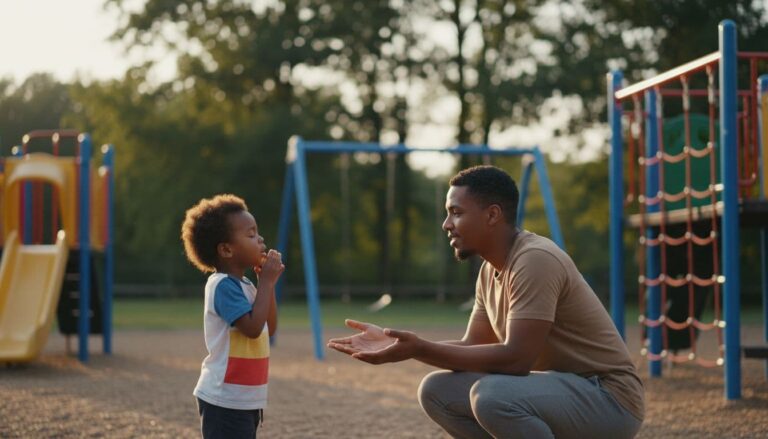
 Sometimes that looks like getting down at school drop-off and saying, “I know this feels hard. I’ll come back after lunch.” At bedtime, it can sound like, “You don’t want the lights off.
I still need to help your body get the rest it needs.” And when one child hurts another, empathy means naming what happened and helping them make it right, not simply making them say, “sorry.”
If that sounds familiar, start with books on regulation, attachment, or anxiety before chasing stricter discipline. For parents who want a newer deep dive on this topic, Parenting Anxiety by Meredith Elkins, PhD may be worth adding to your list later.
What makes a parenting book actually useful in real life
A useful parenting book doesn’t just explain your child. It helps you respond better in the moment.
How to choose one book if you only have time for one
Pick your biggest pain point. If discipline feels harsh or messy, start there.
If your child shuts down, pick communication. If worry is taking over, choose anxiety from authors like Lisa Damour, for collaborative approaches to challenging behaviors, look to Ross Greene.
If your child has specific clinical needs, such as those addressed through behavioral therapy, select books tailored to that support…and so on.
Am I missing your favorite parenting book or parenting guide? Share it with us, we want to hear from you.





2 Comments
Comments are closed.