The fastest way to feel old is to hear myself say, “When I was your age…” in this classic parenting then vs now scenario, and then watch my kids look at me like I’m describing the Flintstones with that big rack of ribs at the side of the car falling over, but I digress.
Ezra, myself and Eli in the back, acting too kool for his pops
When I say my parents vs my kids, let’s be clear, no one’s on trial here, just a comparison. I truly believe my parents raised me with the tools they had at the time for raising children.
I am also raising my kids with today’s tools and pressures, which reflect the shifting family dynamics from their era to my current household, regardless of how strange it seems on the outside.
I’ve been lucky to see life from a few angles, starting with my humble beginnings in Montserrat. Then moving to Boston, USA, as a young adult, spent a short but unforgettable time in Mexico, and am now settled back in the UK. All those cultures and experiences have shaped how I see the world, and they’ve made my outlook a lot broader.
My parents’ style vs mine in my kids’ world
Start with the big forces, not the blame. When folks argue about parenting, it’s often about parenting styles. I think the bigger story is context. The world around the family changed, so the family would obviously also change.
It comes with;
Time pressure
Work realities
Safety expectations
Information overload
Public parenting
It’s a different world
Manchester Museum of Technology
My childhood felt wide open, slower, and more face-to-face communication. In my day, we rode bikes without safety wheels, and we did chores because they needed to be done by us.
We played outside until the streetlights came on and kept on playing without a pending phone call, and so many more I can mention.
In my kids’ world, life is more scripted. There’s sports practice, homework portals, and RSVP culture. Playtime still happens, but never impromptu.
Then: Free-range kids roaming the neighborhood with no check-ins needed.
Now: Playdates, drop-offs, constant contact, more adult oversight due to safety concerns, and helicopter parenting, which curbs childhood independence.
Now: Boredom gets patched with some device or another.
What’s missing now is the sense of true community and real relationships with neighbours.
Cultural shifts that affect parenting
We talk about feelings more, and that’s not a weakness. In my house growing up, there was a respect that excluded any backtalking or questioning the command or deep childhood-type feelings of any sort.
In my parenting practices, respect is still as important, but comes with a side of listening to repair and learning to disagree without the authoritarian parent jumping out.
What’s better now, well…
Mental health crisis is commonplace: Anxiety, stress, and burnout are common now, and we name and blame.
Kids have their voice: We ask our children their opinion and feelings, and act accordingly.
Equality is a must: Chores, caregiving, and emotional labor get discussed openly.
Parent voice still has weight. Regardless of what new studies, hot takes, and bite-sized “experts” say, my voice still echoes the loudest.
The look of modern-day parenting
Modern parenting comes with intensive parenting pressure to be perfect. My parents aimed for a safe home and decent behavior. Many of us now feel we must also produce confident, high-achieving, emotionally fluent kids who eat vegetables and regulate boredom accordingly.
Less downtime for adults, which reduces patience quickly
Fear of messing up, because advice is endless and conflicting
If everything feels urgent, nothing gets the calm attention it deserves. I try to slow the pace before I correct the behavior.
Rules/ freedom/discipline. Normalcy for me vs my kids
Rules tell the truth about a home. Truth be told, how you’re raised says a lot about the parents who run the home. They show what a family values, what it fears, and what it hopes to teach, especially when it comes to independence.
When I look at my parents, and then at my own kids, I see the reason behind the rule change just as much as the rules themselves.
Photo by Curtise Eréndira, in Baja California.
Exhibit A:
Topic
What I grew up with
What my kids live with
Freedom
Free to roam all day
Little to no roam and 5x the check-ins
Rules
Short, firm, no questions asked
Collaborative, explained, 2nd opinions
Consequences
Strong fear of punishment
More guidance, privilege-based limits
Voice
“Because I said so”
“Tell me your side” (then we decide)
We might agree to disagree, but by default, each has trade-offs.
Strict household rules in my childhood
My parents were strict, short, and to the point.My father had a stammer that sounded like a jackhammer when making his point. Bedtime was just that. Chores were demanded. Respect meant tone and posture as much as the type of words used.
Examples I remember:
Chores first then fun
Adult authority you didn’t argue like a lawyer
I must admit the upside was simplicity. The downside was fear-based lessons, not fully understanding the why behind them. I learned compliance fast, but I didn’t always learn problem-solving.
How I changed the outlook on rules
I set fewer rules, but I explain them more. My kids get a voice with a certain tone, of course, but not a veto. They are heard, and their opinions count, but without turning the house into a democracy with endless voting.
My “modern boundaries” look like this:
Screen time has a shape: times are preset on their devices using digital technology. Don’t even ask for more time.
Online rules exist: all online use gets close supervision through parental controls, necessary to guard against online predators, cyberbullying, smartphone addiction, and risks on social media.
Grades must be maintained: effort matters, and help-seeking matters more. Higher grades mean more privileges.
I’ve noticed a backward flip in my children compared to back then. They roam less but talk more. They have the right to say a rule doesn’t seem fair, but has to deal with consequences. That’s the shift in my home.
Discipline then vs discipline now
Discipline works best when it teaches, not when it scares. I grew up with consequences that could be harsh. They hurt not only physically but also emotionally, but they worked. It wasn’t often, but it had a slow burn effect on the discipline, and it lasted long.
Photo by Curtise. My dad, along with Ezra and Manny
Consistency: if they said it, I do it.
Follow-through: it gets done immediately
Respect matters: kids stay in their place
Here’s what I changed:
Calm first: self-regulation before correction (walk away or deep breath)
Repair after conflict: I apologize when I’m wrong
Natural consequences:
When I need simple words for character building, I go back to the basics in life lessons fathers teach sons, because those ideas fit all kids, not only boys.
Pressures of school, success, and communication
School became more visible inside the home. Ohh, I remember report card time; if ever there was a heart attack to be had, it was then.
Now, we get emails, app alerts, and updates even before the kids get home.
That visibility helps in some ways, but it can also raise your blood pressure. I can say that from experience.
School life then vs now
School expectations feel heavier now, even for younger kids. We live in an education-based system where homework starts earlier, and testing seems never-ending, especially when you have to relearn basic math problems. Extracurricular activities are a step towards competition, so they feel more mandatory than optional.
What stands out to me:
More ways to communicate
More homework and projects live online
More focus on learning needs
More pressure for parents to stay involved, amplified by influences from online communities
The good news is that we talk more openly about attention issues, learning differences in child development, and stress. That openness can save kids years of quiet struggle. My son Ezra has a speech delay, and it is because of close attention and not ignoring common signs that we caught it early.
God forbid it was back in my day, he might have gone through way more years of being called slow or the R word and being neglected. Now he’s flourishing. Learning speech and pronunciation is a long game, and we are both in it as his parents.
My parents pushed stability, and I respect that. My parents pushed for the education available where I lived at the time and still provided a private school education for my sisters and me.
The small island of Montserrat has limited resources, just like every other country compared to bigger ones. And with that said, I still found a way to mess up with my goofy self.
My parents’ main priorities for us were to do our best in school and maintain a solid reputation, which consisted of not getting in trouble.
I agree with all of the above, but I raise two more: success should include mental health and fitness.
This little presentation solidified it for me, my boys were bilingual. Proud dad right here.
Even with my current state of growing and learning, I do have to remind myself that in raising children, “successful” kids become “successful” adults through habits, not perfect childhoods. And that comes down to us.
Improved parent-child relationships
I want more connection than silence. I’ve never questioned that my parents loved me. Even with my mom transitioning and my dad getting up there in age (and showing it), that love has always been clear.
LOL…My dad was never the “I love you” type, so every now and then I’d say it. It became my way of wrapping up the call and easing that little stammer that always showed up right after. Mean? Possibly. Necessary? A lot.
Our kids today are growing up in a different world, fast-paced and invasive to their needs, with diverse structures like blended families. Open communication is necessary. We focus more on understanding feelings and how they affect the long term.
We try to balance keeping them safe with teaching them to stand on their own. We educate ourselves to be calmer, clearer, and more consistent, even when we’re tired.
Some people think all this reading and parenting advice makes parenting soft, but it doesn’t. It just helps us respond with intention, so we don’t repeat the parts of our childhood that only worked because we were scared.
We parent from love and understanding, not from a strictly authoritarian perspective.
Becoming a new father is much more than welcoming a child into your home. It marks a profound developmental shift—where hormonal adjustments, brain changes, and evolving routines converge to reshape a man’s identity and caring capacities.
6 Comments
Growing up in the Caribbean often comes with such vivid sensory memories,things like the rhythm of daily life, community closeness, outdoor play, and even the food and music. When i compare that to my daughter’s upbringing now, it can really highlight how much has changed, not just in technology but in values, pace of life, and even how kids socialize.
I really enjoy reading these articles because it takes me back…..
Thank you very much. It only shows although we are in a different time and place we can still incorporate some of our childhood values and memories in this century(without trying to sound old) lol

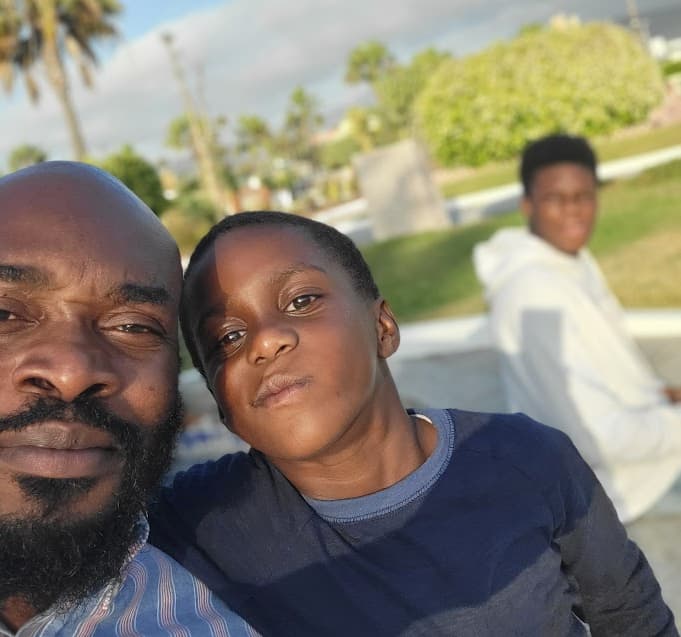
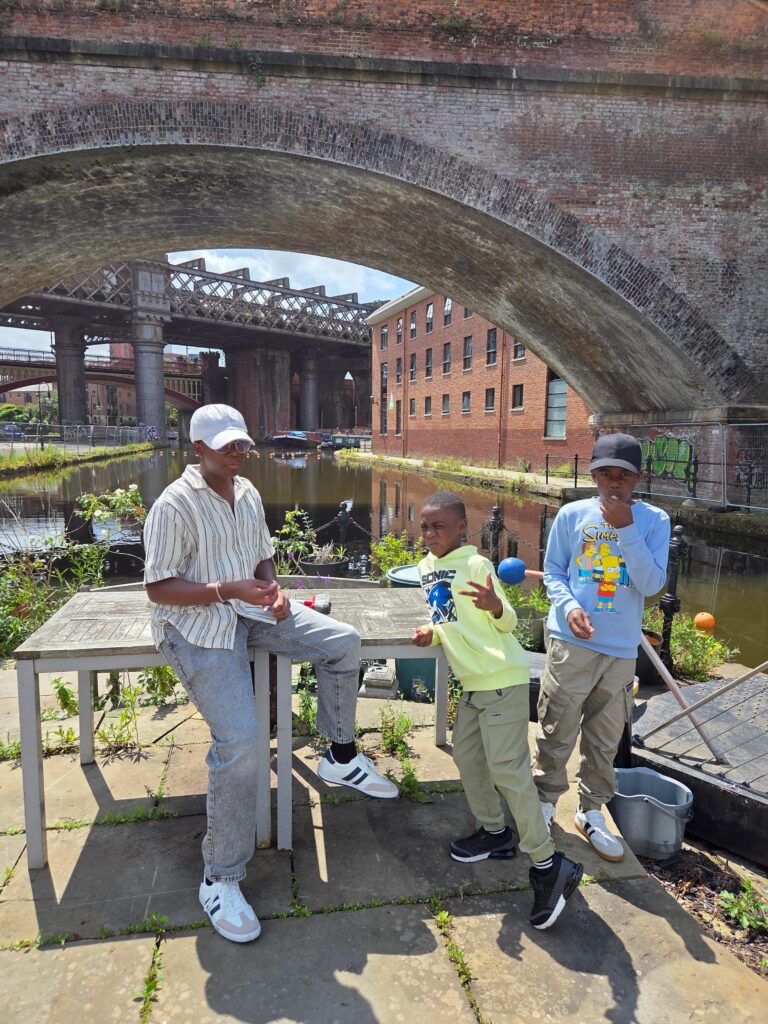
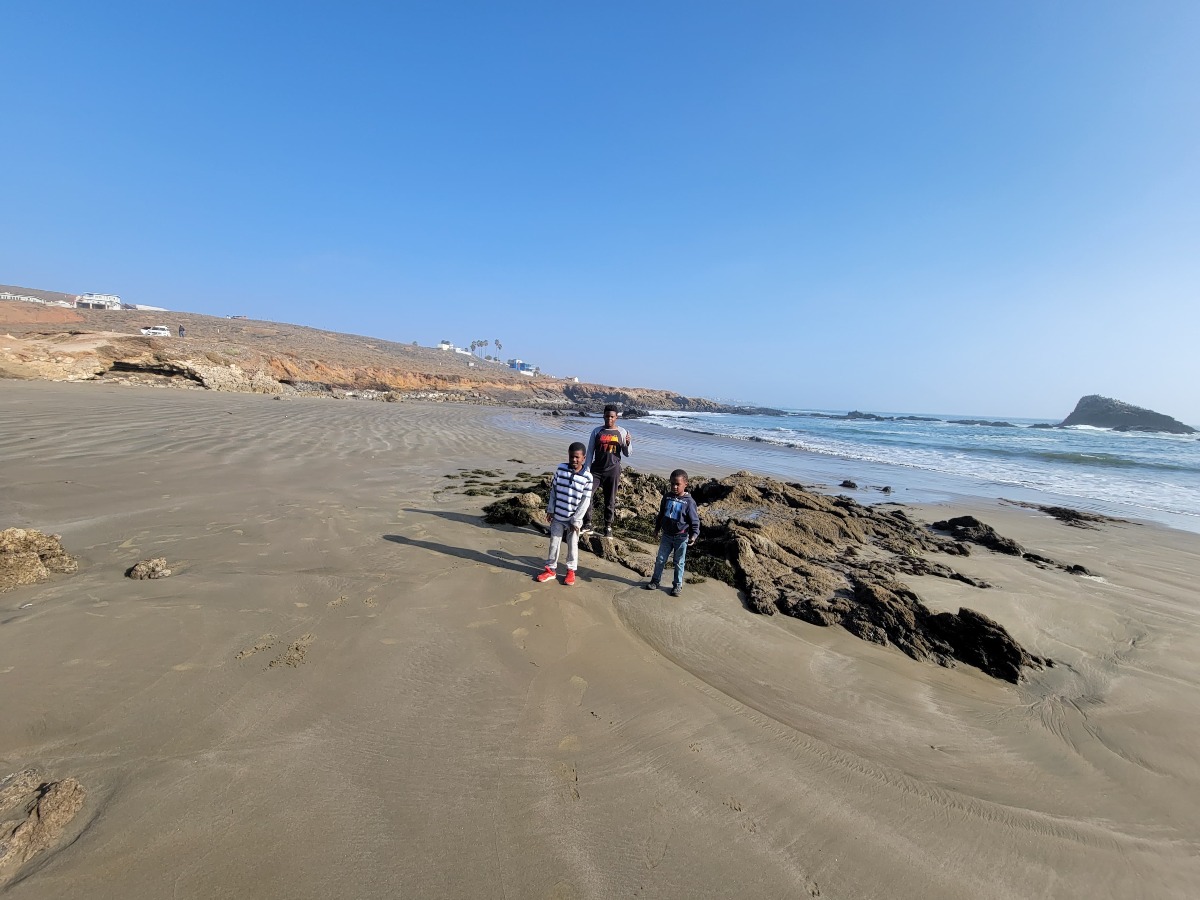 Photo by Curtise Eréndira, in Baja California.
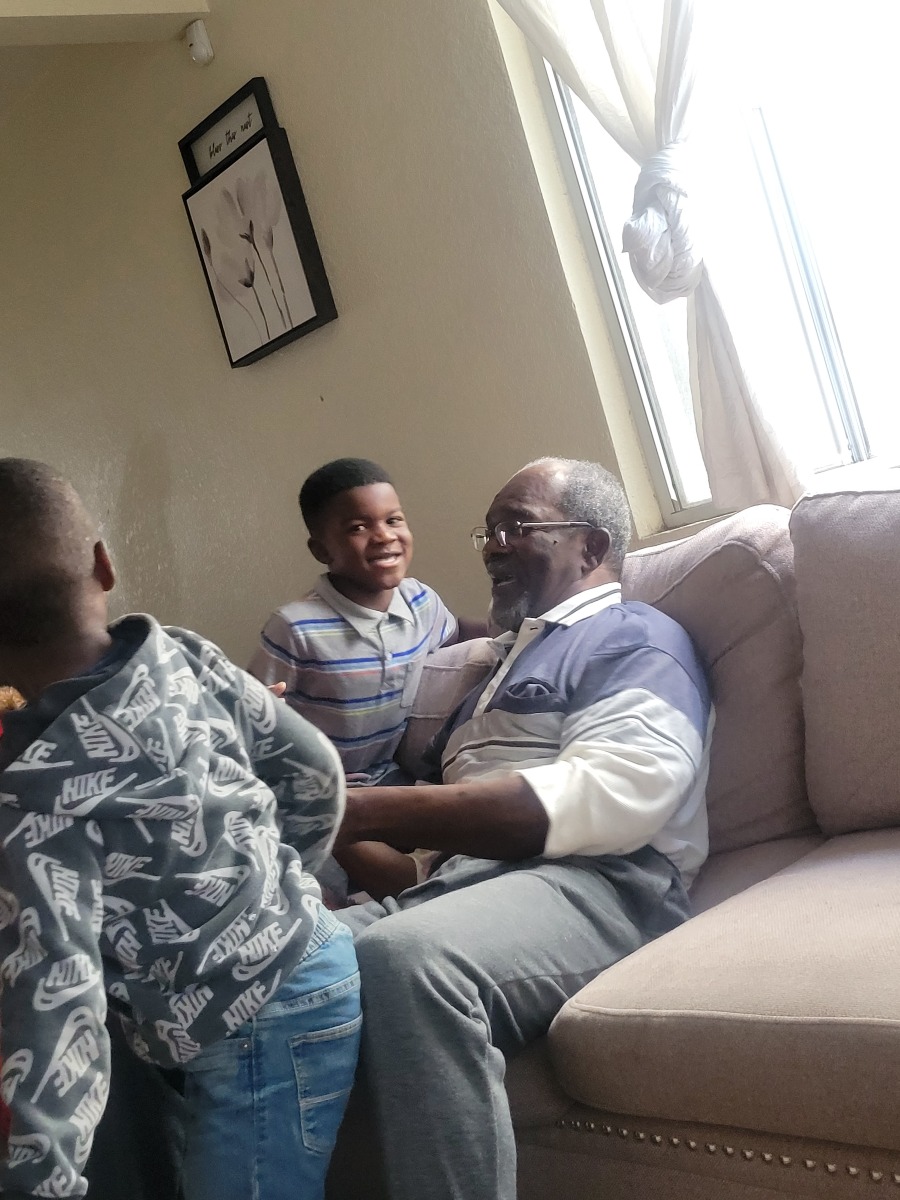 Photo by Curtise. My dad, along with Ezra and Manny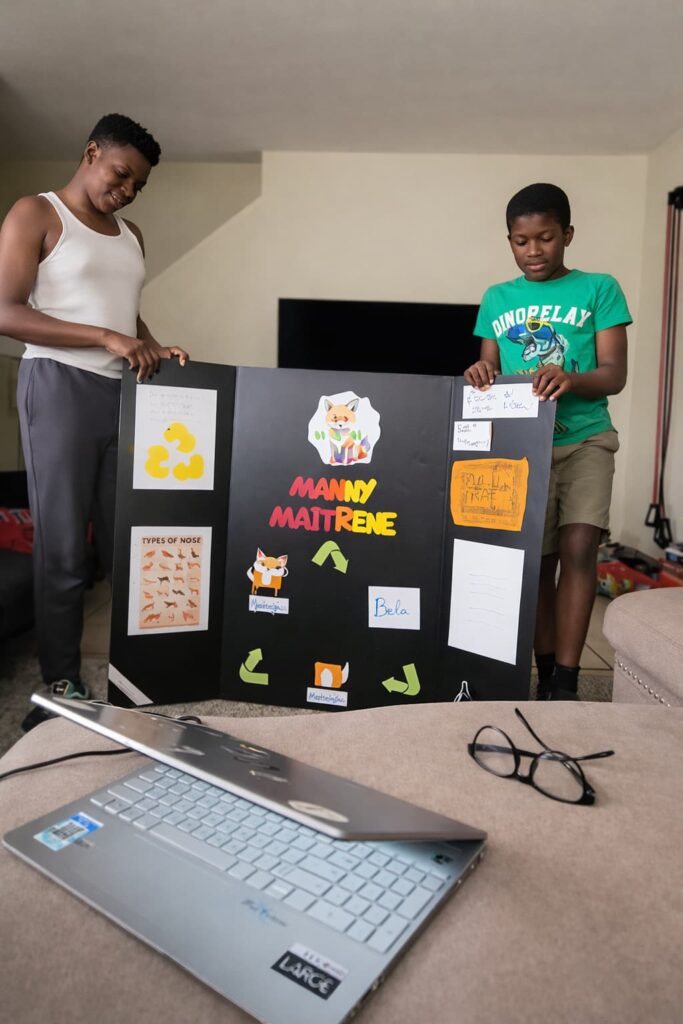



Growing up in the Caribbean often comes with such vivid sensory memories,things like the rhythm of daily life, community closeness, outdoor play, and even the food and music. When i compare that to my daughter’s upbringing now, it can really highlight how much has changed, not just in technology but in values, pace of life, and even how kids socialize.
I really enjoy reading these articles because it takes me back…..
Thank you very much. It only shows although we are in a different time and place we can still incorporate some of our childhood values and memories in this century(without trying to sound old) lol