If you know me and my way of capturing moments, you know I am renowned for being the least photogenic person alive. In contrast, my partner has a technical eye that rivals any professional event photographer, speaking the language of lighting and composition with ease.
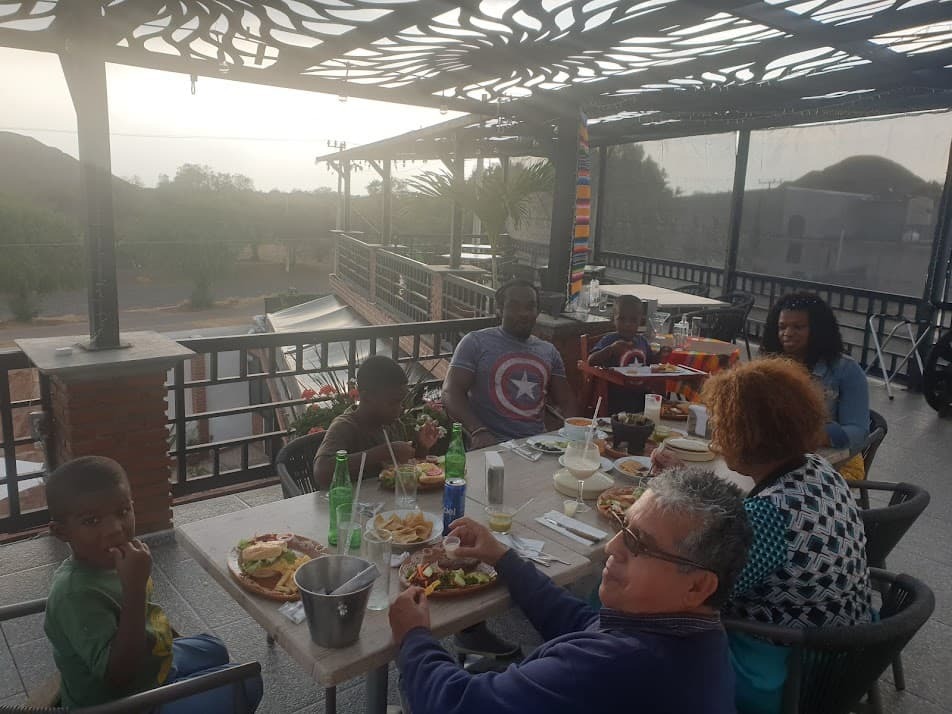
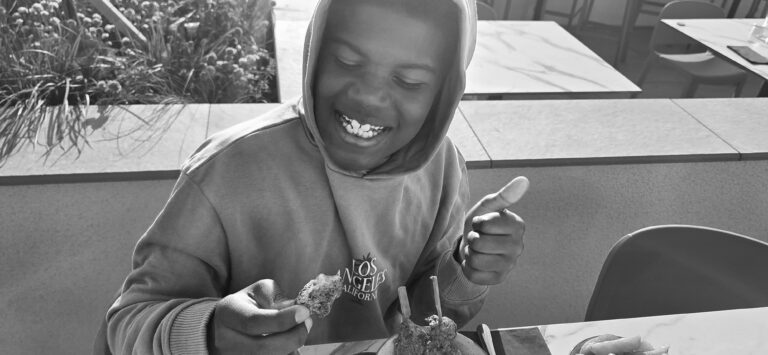
First photo taken in Mexico with the Pyramid in the background and authentic Mexican cuisine pre-demolished.
In my case, living in a remote environment away from my family means that the precious memories we share are incredibly vital. While these images often feel far more authentic than the generic stock photos or staged royalty-free images you find online, they serve a deeper purpose.
Although I would prefer to be there in person, photos crystallize those experiences in a way my mind simply cannot, filling our family photo album with physical proof of the bonds that keep us close for years to come.
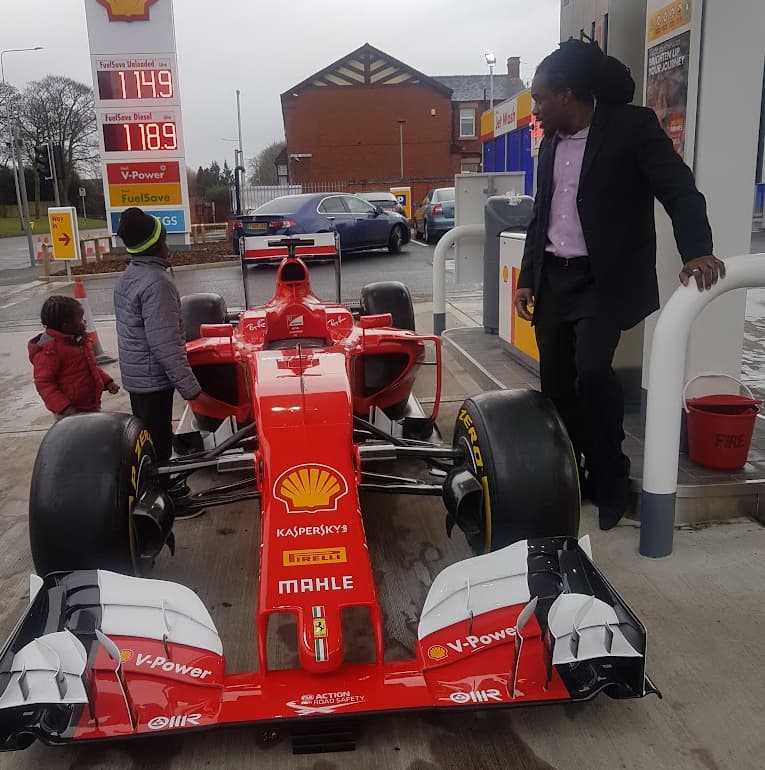
Conjuring those heartfelt moments
When we gaze at family photos, the almost thermal feeling they evoke serves as a vivid reminder of why I love being a dad. Several studies have highlighted the therapeutic effects of reminiscing about wonderful past events.
The act of simply thinking through photographs stimulates the brain, powerfully strengthening memory and recollection. This process reinforces our emotional connections, sense of identity, and self-worth in both our children and ourselves. For a dad parenting from across borders, using family memories is a vital tool in our arsenal to combat feelings of isolation and increase happiness and self-esteem.
How to use photos as a connection tool
The visual representation of family photos captured during joyous moments evokes a deep emotional response. I use this tactic as a reliable connection tool to stay close to my children. When I curate featured memories or a digital memories carousel to share with them, it ensures my presence remains a constant, positive force in their lives, even when I am not physically there.
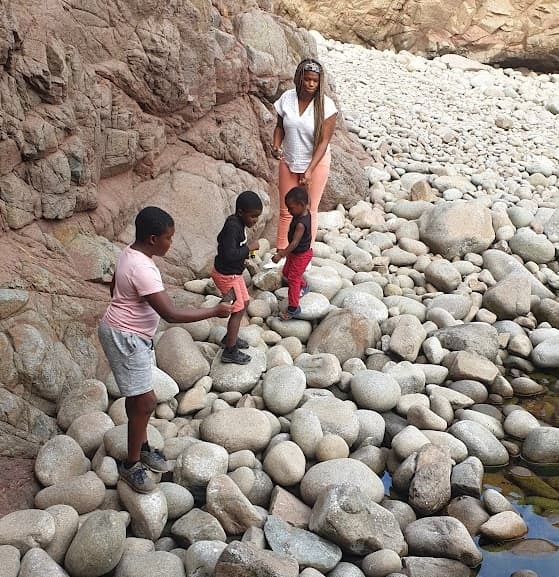
A random Sunday exploring a rock cove in La Bufadora, Ensenada, Mexico
These home videos, whether they originated from old videotapes or classic film reels, are incredibly potent. A child may forget the details of a specific day, but they rarely forget the feeling that I noticed them.
When they browse these pictures, or I send random memory reels, their brains activate the same pathways associated with love, affection, and happiness. It releases essential feel-good chemicals like dopamine and oxytocin, making these Picture Memories a bridge across the miles of separation.
Why memory retrieval
Family photos act as a visual storyteller, triggering synapses in our brains. Each image has a story connected to it, unlocking a universe of moments loved and sometimes forgotten.
Looking at these photographs brings back experiences that have stayed with us for years. They do more than remind us of a single moment; they stir the emotions attached to them, even the ludicrous moments. This power strengthens our sense of self and keeps us tied to our personal history, helping us understand how earlier experiences shape who we are today.
In my case, when distance is part of my family story, I keep coming back to connecting with kids from a distance. The point is not to replace physical presence. It is to keep affection warm between visits by consistently sharing our collective history.

Eli and I. Family tour through a Trinidadian swamp. Looking at snakes in trees.
Family photos and digitized home movies in Google Photos keep us close, and it’s made our memories easier to hold onto across the UK, the US, and Mexico.
The one-photo-a-day technique
I don’t send a photo every day. Keeping some space makes the surprise matter. Instead, I send age-appropriate memories that fit each child and fill in the things they might forget. Shared links let us bring old moments back into the present.
Ezra gets reminders from his toddler years, including our time in Mexico during the pandemic.
Manny gets highlight videos from different stages of his life, like worship nights, dinners with friends, and trips to nearby restaurants. Birthdays are a great time to send those.

In Paris, either in front of the Palace of Versailles or the Louvre. Manny & Eli, pre Ezra
Eli gets the more direct reminders, sometimes through social media, sometimes straight to him, depending on how embarrassing the moment is.
I save these picks in one simple photo album. Over time, it becomes a record of everyday life, not just big events.
Preserving the past like no other
A photo only shows the surface. The story gives it meaning, and that’s what kids carry with them.
I use plain, real details, not polished captions. I might say, “You were laughing because your sister made that weird pancake,” or “You didn’t want to go at first, but then you ran straight into the water.”
Those small stories help children remember more than a face or a place. They show where they fit in the family, and they turn a quick snapshot into a lasting bond.
Reintroduce yourself through photos
Time apart puts strain on every relationship. Just like any other bond, the connection requires consistent effort to sustain.
When the kids and I have plenty of time during the school holidays, especially in summer, I set aside a day for us to look back on our past experiences. We scroll through the home videos and photos I have collected over the years, laughing about the fun times we shared, and it has become a cherished family bonding tradition.

A quick “How was school?” text is fine, but Picture Memories, as my parents did, feel warmer and more personal.
I might send a breakfast photo, a sunrise, a messy lunch, a work shot, or the dog in a silly pose. Even small wins, like homework done or a fresh haircut, help a child feel part of my day.
When I’m away, I add one honest line, like “This made me think of you.” A steady habit matters too, because the photo and the routine both keep us close.
Memories that last
If I want this to last, I have to keep it simple enough to stick with. The best routine is the one I can still use during busy weeks and time apart.
I don’t need one perfect format forever. Digital albums, physical albums, or a mix of both can work. If older photos are fading or damaged, digitizing and restoring them can help preserve them. If a box of media feels too big to handle, a SafeShip Kit can make the conversion easier.
To keep it going, use what you’ll actually look at and touch. Photo magnets and other visible displays help kids stay connected to family history every day.


One Comment
Comments are closed.