I am a strong believer in the Psalm that goes: “Teach a child from a young age, and it will not depart from them.” Of course, that is not verbatim, but you get the gist.
This applies to everything we teach our children, including building financial literacy for kids so they are financially capable of rolling with the punches later in life. Grounding them in solid personal finance habits, even at a young age, means teaching my boys about saving, spending, and investing as a smart move on my part.
They won’t get all of it, but it’s a start.
Let’s take a look at the 15 things that will affect their financial futures.

1. There’s Nothing Wrong with Hand-Me-Downs
I was never able to get hand-me-downs as a kid, because I was the youngest of all girls.
Getting second-hand clothing or toys from older siblings or from a thrift shop is a great way to save money.
In a world where consumerism can often overshadow practicality, teaching our kids the value of hand-me-downs offers valuable lessons about needs versus wants and helps shape a better spending mentality.
Key Takeaways
- Start Early with Savings: Encouraging children to set aside a portion of earned money into a savings account helps build lifelong habits and avoids future debt.
- Embrace Practicality: Teaching the value of hand-me-downs, cooking at home, and self-entertainment instills important lessons on needs versus wants.
- Develop Patience and Resilience: Learning to wait, accept “no” for an answer, and lose gracefully prevents impulsive spending and lifestyle inflation.
- Master Financial Fundamentals: Introducing core concepts like compound interest, credit, and budgeting prepares children for long-term financial independence and stability.
2. Teach Them How to Share
Children are born with the natural, innate feeling that everything is “mine.” Weaning them from this bad habit will pay off financially in years to come as they develop essential money management habits.
It may be something as simple as using a car-sharing service when going to an event or splitting the cost of a snow blower, which eventually helps them save and earn money through collaborative efforts. Sharing will save them money throughout their lives.
3. Save Some of Their Income
When my son cleans his Grammy’s office and gets $50, it doesn’t mean he should spend it all. Since helping kids earn money is an important early step, I have him put $20 aside in a savings account for safekeeping, which helps him learn to save while he spends the rest as he pleases.
4. Is Cooking a Skill for Budgeting?
Groceries will no doubt be one of the biggest budgeting hassles, not even counting eating out at restaurants or fast food spots. Investing in tools like slow cookers and microwaves will help save money while teaching kids how daily habits support long-term financial goals.
As an adult, there is no reason not to learn the basics of cooking, as it is a fundamental skill for staying alive. It is always good to have little ones learning from us in the kitchen as much as possible or even helping out.

5. Teach Them to Cook
My dad was never in the army, but this is one thing he drilled into me: “Whatever you do, do it to the best of your ability.” That lesson still sticks with me to this day.
This means they can earn money reliably, keep a job, and build a strong foundation for financial independence. Their future selves will thank you.
6. Teach Them Patience
Patience isn’t just a virtue; it’s a superpower in today’s fast-paced world. When a child is three or four years old and crying, “I want it now!” it is kind of amusing.
Not so much when they are 30 years old and falling into poor spending habits by prioritizing immediate desires over needs vs wants. To break this cycle, you can ask them helpful financial literacy questions when they demand instant purchases, guiding them to pause and reflect on whether they actually need the item right away.
7. Teach Them How to Wait
Imagine your younger self buying cryptocurrency or investing in the stock market and expecting to double or triple your money overnight. Knowing how to wait and opening an investment account helps avoid financial scams.
8. Teach Them About Self-Entertainment
I was never into video games or card games, so buying a PS5, 4, or 3 was never an option for me. And that’s just for the console, not even factoring in the games themselves; don’t even get me started. ( vent over)
Children can have just as much fun making up games instead of opting for more expensive alternatives. These moments can also double as great money conversation starters about creative money management.
They’ll learn to avoid expensive vacations and shopping as adults, as mentioned in Money Helper and other valued resources.
9. Teach Them to Accept “No” for an Answer
As adults, we hear the word “no” more than we’d like to admit. We hear “no” for jobs, car loans, and house loans, which often leads to important financial literacy questions about what we can actually afford.
When they get older and hear “no” and throw a tantrum like a three-year-old, it will only make things worse.
10. Teach Them About Volunteering
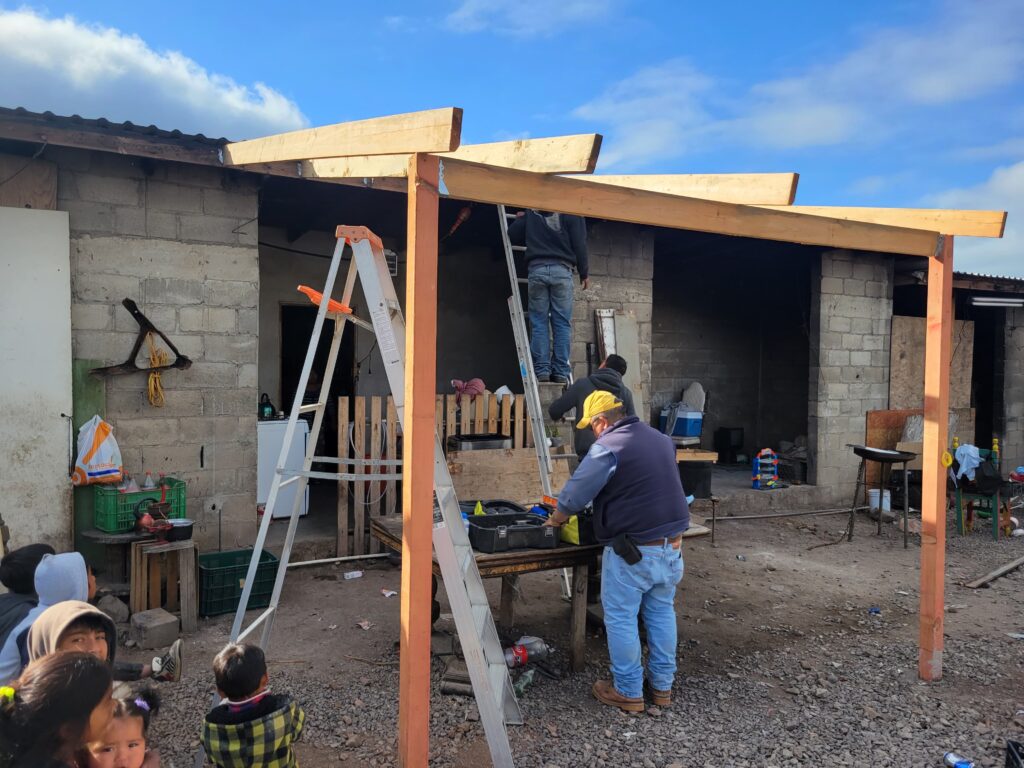
Living in Mexico, we were introduced by some other expats to a weekly meet-up where we fed, clothed, and built better living accommodations for those in need. Every Saturday, we either went to church or did whatever needed to be done.
Volunteering is the right thing to do. It sets an example for our kids and gives them a glimpse of how others live, helping them appreciate what they have. By broadening their perspective through community service, we lay the groundwork for lifelong personal finance awareness and a balanced approach to financial education. When times get hard financially, they’ll know how to cope and understand that others are in similar situations.
11. Teach Them to Lose Gracefully
There will always be someone with more than us. Another wise proverb from my dad: “Never be jealous of other people; you never know what they did to get what they have.” Those words have given me a lot of perspective over the years.
The last thing we want is for our children to play “catch up with the Joneses” and end up in money problems because of it. Having early money conversation starters kicks kids into gear, understanding why focusing on their own financial goals matters much more than trying to impress others.
By accepting setbacks and resisting lifestyle inflation, they can reduce debt more effectively and build long-term financial stability.
12. Teach Them About Problem-Solving
Children growing up need to solve issues will be a regular occurrence. Just like in any other aspect of life, financial problems will need attention. Through learned budgeting, they will need to figure out what needs to be adjusted.
Knowing how to handle situations will make life easier for them.
13. Teach Them About Compound Interest
Teach them how their money can make more money over a lifetime through compound growth. Regularly depositing money into a savings account and practicing a little self-control, they can build a fortune and establish strong financial literacy that will set them up for life.
14. Teach Them How Credit Works
They should understand that a credit score affects both whether they can borrow money and how much that borrowing will cost. Teaching children the difference between debit and credit cards early helps them avoid high interest rates and prepare for future financial responsibilities, including student loans.
Imagine you borrow $100 from me, and I say you can pay it back next month. But if you don’t, I’ll charge you an extra $10 each month you delay. Would you still want to borrow?
There are many lessons to be learned.

15. Teach Them How to Budget
Everything we’ve discussed comes down to budgeting: saving for emergencies, paying bills, and spending wisely. These early habits help children manage credit, loans, inflation, and retirement planning as they grow.
Let me know what I’ve missed from this list, and don’t forget to subscribe to be the first to get the hottest articles right off the press.
Frequently Asked Questions
Why is financial literacy important for children?
Teaching kids about money early builds better saving and spending habits.
At what age should I start teaching my child about money?
Start with sharing, saving, and patience in toddlerhood, then teach credit and budgeting as they grow.
How can I teach my child the difference between needs and wants?
Hand-me-downs, patience, and creative play help children understand needs versus wants.
What are some practical ways kids can learn to save?
Save a set percentage of chore or gift money before spending the rest.






3 Comments
Comments are closed.