
Moving to Mexico in the midst of the pandemic felt like stepping into a whole new universe. Evacuations, masks, and me trying to learn Spanish while my kids somehow became fluent overnight. They were ordering tacos like locals while I was still using Google Translate to ask for napkins.
 Photo by
My boys were young, curious, and suddenly surrounded by screens, languages, and shifting routines.
And in that whirlwind of time, I realized something: raising confident kids today is more than pep talks. We never had to deal with these issues as kids, so we are also learning as we go.
Social media Platforms like Facebook, Instagram, TikTok, and all the rest affect our children in certain ways, and like always, knowledge is the power to combat and protect them.
10 Ways to Make Parenting More Interesting.
To Know the Digital Landscape
Our kids are growing up surrounded by technology, and it’s changing how they learn, connect, and see themselves.
While there are plenty of opportunities here, there are also many more obstacles that need our attention.
Social Media Impacting Self-Esteem
Social media has become a playground for children and teens. It’s a place to share, connect, and express themselves, but it’s not all sunshine and positivity.
For every encouraging comment or uplifting post, there’s the potential for comparison, unrealistic expectations, and even cyberbullying.
On the positive side, social media can help kids feel connected. They can find communities for their hobbies or talk to friends even when they’re apart.
These connections can boost confidence by making them feel valued and included.
But then there’s the flip side. Scrolling through photos of “perfect lives” and idealized body images can make kids feel like they don’t measure up, questioning their self-worth.
A single hurtful comment online can stick more than a hundred kind ones. Studies, like this one from Child Mind Institute, show a direct link between social media influence and self-esteem issues in teens.
What can we do? From time to time, have simple conversations with them. “How does that post make you feel?”
Teach them to spot the difference between reality and a polished Instagram feed and to avoid comparing themselves to others. Reduce their screen time and encourage offline activities.
Digital Learning and Confidence Building
Learning does not only happen at school. Learning online habits with Do’s and Don’ts is a necessity.
Even during the pandemic, with virtual learning, kids had the opportunity to take more or less charge of their education.
Think about how empowering it can be for a child to solve a puzzle or learn a new skill independently. Digital platforms like tutoring programs can provide tailored, one-on-one attention that builds both knowledge and confidence.
For instance, programs like Grade Potential Tutoring help students succeed on their own terms, boosting self-belief along the way.
The key is balance. While technology offers learning opportunities, kids still benefit from hands-on activities, face-to-face interactions, and real-world problem-solving.
It encourages self-exploration without letting tech dominate their world.
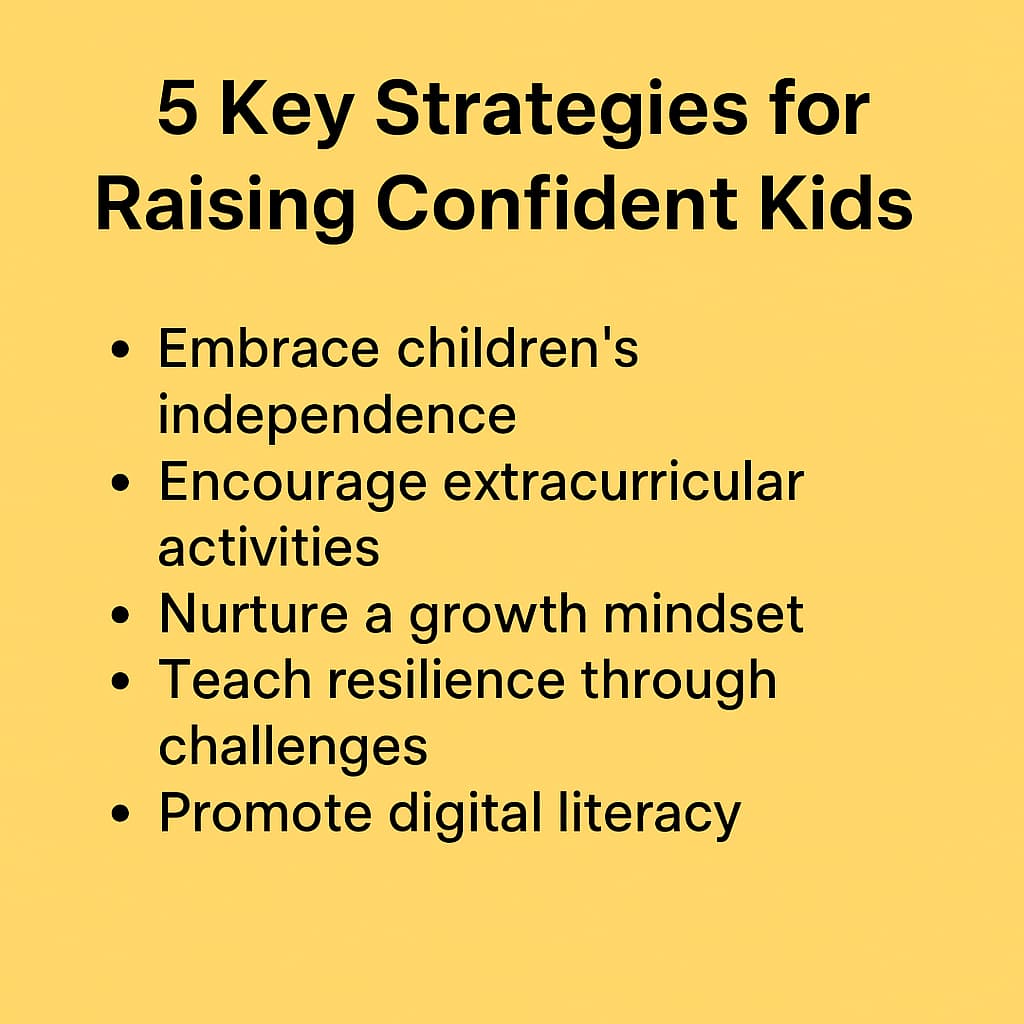
How We Teach Confidence
Building confidence in our kids is like setting the foundation for a meaningful and successful future, helping parents nurture a sense of self from an early age.
Confident children, when handed a difficult situation, rise to the occasion head-on, make better decisions, and maintain a positive self-image.
Encouraging Independence in Digital Engagement
Allowing our children to make their own decisions with two or three options provided by us is one way of parenting with guardrails.
We can guide them while empowering them to let them make choices that are safe and thoughtful, whether it’s picking educational apps, joining a coding class, or exploring creative ways to use technology.
For example, ask: “Would you prefer to watch an educational video or complete a puzzle game today?” Assigning age-appropriate responsibilities like this teaches problem-solving and responsibility while fostering a sense of autonomy.
Open Communication about Online Experiences
Kids need to feel safe talking about their online lives. To know if they’re feeling proud of something they created or upset about a negative comment, keeping communication is always the best option.
Asking simple, open-ended questions like, “What did you discover online today?” encourages dialogue. Listen and don’t judge.
Related Post:
Setting Boundaries
While freedom is empowering for kids, it’s a must to let them know their boundaries. Think of these as guardrails; they keep your kids safe without stifling them.
Setting time limits for screen use or deciding which platforms are off-limits can create a healthy balance.
Some tips include:
- No screens before bedtime: It makes for better quality of sleep.
- Scheduled downtime: Enforce device-free family dinners or outdoor playtime.
- Appropriate app selection: Set parenting control on devices for apps and games that align with your family’s values.
One valuable resource with tips on managing these boundaries is Fatherhood Uncut.
Modeling Positive Digital Behavior
Actions speak louder than words. Kids imitate what we do when we do it. Saying what we’re doing while using our devices, especially at home. It shows that we not only walk the walk but also talk the talk.
Every time we manage conflict constructively online or set down our devices during family time, we show them what positive behavior looks like. To model confidence yourself, embrace these habits consistently.
The Best Way to Help at Times Is to Step Back
Resilience isn’t just built during big life events; it’s forged in smaller moments, like learning how to handle setbacks by allowing kids to fail and framing those challenges as growth opportunities.

Helping our children develop such skills ensures they can face future challenges with confidence and composure.
Teaching Kids to Handle Online Disappointment
Kids face their fair share of online disappointments, whether it’s a rejected friend request or harsh comments on a shared post.
Watching them struggle can be tough, but we can guide them through those times with advice and mentorship. The other option is learning the hard way, which is way worse.
Here’s how I approach it with my kids:
- Validate their feelings and encourage sharing: Demonstrate empathy by letting them know it’s okay to be upset, then create a safe space for them to share what happened. I often say, “I understand why you’re feeling this way,” and teach perspective to help them see it’s not always personal, since the internet can be impersonal and superficial.
- Offer solutions: For example, if they’ve experienced cyberbullying, talk about how to block or report harmful users.
- Praise effort with specific praise: If they’re trying to improve at something online, like mastering a game or building a social network, applaud their determination and give specific praise for their actions, not just the outcome.
Promoting Problem-Solving Skills
Navigating digital challenges independently is a skill that every child should develop. Teaching problem-solving fosters a growth mindset by helping them find solutions on their own, rather than giving them all the answers.
For instance, when my child struggled with a tech issue during an online class, I asked, “What steps can you try to fix it?” This simple question urged them to troubleshoot rather than wait for me to solve it.
Here are some ways I encourage problem-solving:
- Ask guiding questions: Instead of providing answers, I use prompts like, “What do you think we should do next?”
- Support small steps forward: Celebrate little accomplishments, like figuring out how to use a new app feature, and offer specific feedback on their progress.
- Encourage resourcefulness: Show them where to look for help, such as FAQs or tutorial videos.
- Practice patience: Remind them that problem-solving takes time but leads to learning and growth.
Building resilience through challenges, whether digital or in the physical world, starts with us modeling patience and perseverance.
Enhancing Real-World Interactions
In an era dominated by screens, stimulating real-world interactions has never been more important. Kids today must strike a balance between online activities and face-to-face connections for holistic growth.
Real-world interactions strengthen social skills, strengthen empathy, and build confidence, creating a foundation for personal and emotional development.

Balancing Screen Time and Face-to-Face Interactions
Screens are everywhere, from TVs to tablets, so keeping a healthy mix of screen time and in-person time matters.
Kids can get pulled into online life, but nothing beats the connection that comes from playing, talking, and sharing real time with others.
So, how do we create this balance?
- Set Limits: Define specific times for screen use. For example, during meals or family gatherings, make it a “no-device zone.”
- Create Opportunities: Plan regular family activities like board games, outdoor sports, or movie nights. These moments foster bonds that digital interactions simply can’t replicate.
- Lead by Example: Our kids mimic what they see. If they notice us setting aside our phones during conversations, they’ll likely follow suit.
It’s worth noting that controlled screen time can be beneficial only when paired with meaningful face-to-face experiences.
For instance, tech can support creative projects that kids discuss and share with friends. If you’re seeking actionable tips in this area, check out these insightful resources.
Why Extracurriculars Matter More Than We Think
Extracurricular activities are needed for all-around child growth in the real world. This is where they can explore passions, set goals, and connect with peers to develop identity.
These activities are natural confidence boosters, allowing kids to discover their strengths, develop new skills, overcome the build on the weal ones, and form lasting friendships.
Here’s how parents can encourage involvement:
- Start Small: Suggest simple activities to match your child’s personality and try new things. A shy child might enjoy individual pursuits like painting lessons, while an outgoing child may thrive on team sports.
- Explore Together: Attend an open house or trial day for a local club. Seeing their curiosity spike firsthand helps you find the right fit.
- Celebrate Progress: Praise the process, not just success. Whether it’s learning a new chord on the guitar or scoring a goal at soccer practice, highlight the effort they’ve put in.
Books and Online Courses about Raising Confident Kids
Sometimes, the best way to grow as a parent is through ongoing learning. Books and online courses offer insightful guidance tailored to our children’s needs. Want to raise a strong, self-assured child? These resources are a fantastic starting point.
- Books: Classics like The Whole-Brain Child by Daniel J. Siegel and Tina Payne Bryson or Raising an Emotionally Intelligent Child by John Gottman dive into strategies that help kids thrive emotionally and socially.
- Online Courses: Platforms like Coursera or Udemy host parenting workshops that help you tackle everything from managing screen time to fostering resilience.
For those looking for daily inspiration and strategies, check out Morning Positive Affirmations to incorporate positive self-talk. Affirmations tailored for parents can help set a nurturing tone for the day.
Workshops and Support Groups
Parenting, while rewarding, can feel isolating at times. That’s why connecting with other parents through workshops and support groups can be a game-changer. These gatherings aren’t just about learning; they’re about building networks of understanding and encouragement.
- Parenting Workshops: These often focus on building skills like effective communication, managing behavior, or navigating digital challenges. Local schools, community centers, and online platforms frequently offer sessions.
- Support Groups: Sometimes, just hearing another parent say, “I get it,” can be the reassurance we need. Groups like these often tackle specific age groups or struggles, from toddlers’ tantrums to teens’ tech habits.
If you are new to support groups, sites like Fatherhood Uncut can point you to local networks and events. Taking part builds a sense of community, and you will likely head home with fresh ideas.
From learning tools to community groups, these resources equip us as parents and boost our confidence to raise strong, self-assured kids.
Start small. Set firm limits, promote problem-solving, and model the behavior you want to see. These habits create lasting confidence.
Keep learning and leading together.


