Parents may live apart because of military deployment, divorce, immigration, or relocation.
In my case, it was immigration, but the truth is harder to admit.
I was a speed demon, to say the least, who spent weekends making my cars faster and performing optimally. I neglected my immigration situation and made choices that eventually caught up with me. I had to leave the US, which wasn’t by choice.
I became a long-distance parent, and years later, those decisions still shape my family’s life. The physical distance makes that reality impossible to ignore.
We tried starting over together in Mexico, and for a while, it was great. Then life changed. My family returned to the US, while I ended up back in the UK. That relocation decision affected all of us.
If you’re a long-distance dad guilty of past mistakes, the separation can feel even heavier. That’s where dad guilt enters the story. I’m learning that parenting from a distance means managing guilt while staying dependable, accountable, and emotionally present.
Why Trying Still Hurts
Long-distance parenting makes ordinary family moments feel painfully out of reach. I don’t get to witness every lost tooth, rushed school morning, shared meal, errand, or spontaneous celebration anymore. Geographic distance is the biggest variable, especially when guilt tells me I should have been there.
The Reality of Emotional Distance
It is easy to measure fatherhood by physical proximity. We count good-night kisses, weekend shenanigans, and meals, then assume separation must weaken the connection.
Yet emotional presence isn’t determined solely by location. Long-distance parents can remember details, listen closely, and follow up on what matters most. A parent living nearby can still be emotionally unavailable. Long calls may help, but consistency matters more than duration.
Intentional contact can protect an emotional bond and strengthen the parent/child relationship, even when daily life happens apart. Asking about a test, remembering a friend’s name, or checking on yesterday’s worry shows care. That’s what staying connected looks like when you can’t share every ordinary moment. To stay in the know.
Guilt, shame, and grief aren’t the same feeling
Long-distance parenting can bring a heavy mix of guilt, sadness, and doubt. I still feel ashamed when I can’t be the traditional dad I once imagined, and family holidays are harder when my kids aren’t there to share them.
I feel furious when they misbehave, and I can’t guide or discipline them in that moment. Only a talking to, for the most part, has to suffice.
Some dads fear their child will forget them. That may be one of the hardest fears. Distance alone doesn’t make anyone a deadbeat parent. Neglect, broken obligations, and refusing support are separate issues. A painful separation also isn’t the same as child abandonment.
A non-custodial parent can still be deeply involved. Listening, showing interest, and following through create emotional presence.
Guilt: I can’t afford three visits each year, so one must be enough.
Shame: Maybe this makes me a bad father, so I’ll overcompensate.
Grief: I feel grief because we are missing time we cannot get back.
One thing is for sure: parenting through family transitions needs dependability during change. A strong parent-child relationship grows through trust, not guilt gifts.
The Dad They Need
Long-distance parenting can make perfection feel necessary. But children need ownership, changed behavior, consistent communication, and follow-through. The growth of the relationship is the evidence dad is here and going nowhere.
Make the Guilt Do The Heavy Lifting
Guilt is useless if it only punishes you for what you can’t change. Long-distance parenting, it can become a prompt for action.
Let it remind you to call, plan the visit, keep the promise, or listen longer when your child wants to talk. You can’t rewrite the past decisions that created the distance, but you can change what you repeat moving forward.
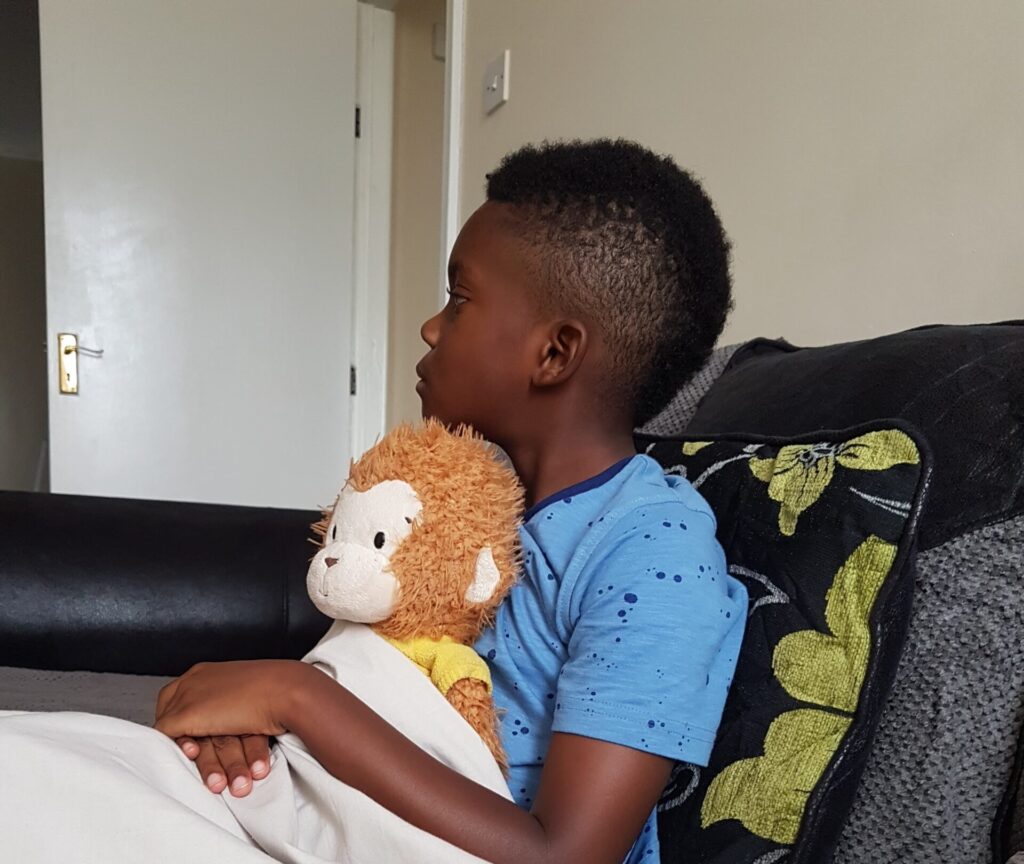
The past can explain the guilt. It doesn’t have to control your next moves.
Staying connected from a distance
Geographic distance makes communication easier to lose, so give it some structure. Choose a realistic schedule of daily communication through short texts, voice notes, shared photos, or simple check-ins. Daily doesn’t mean constant or compulsory.
Before each call, try to:
- Agree on a call window.
- Ask open-ended questions.
- Let your child lead.
- Reminisce of funny moments
- Reschedule instead of silently missing a call.
Let The Conversation Breathe
There are times when I call, and it’s all attitude on the other line, and those calls are the hardest. Others may bring easy laughter and long stories. We have to remember children cannot fully regulate their emotions, so with that said (whoosah).
Both conversations still count. Ask about updates, listen carefully, and let your child lead. Frequent communication matters more than forcing one perfect conversation, especially after a difficult call.
The practical takeaway is simple: staying connected comes from dependable patterns.
Be There for the Days You Can’t Be There
It also means we’ll be missing important moments. Birthdays, school events, and random Tuesday moments may matter most after you see the photo.
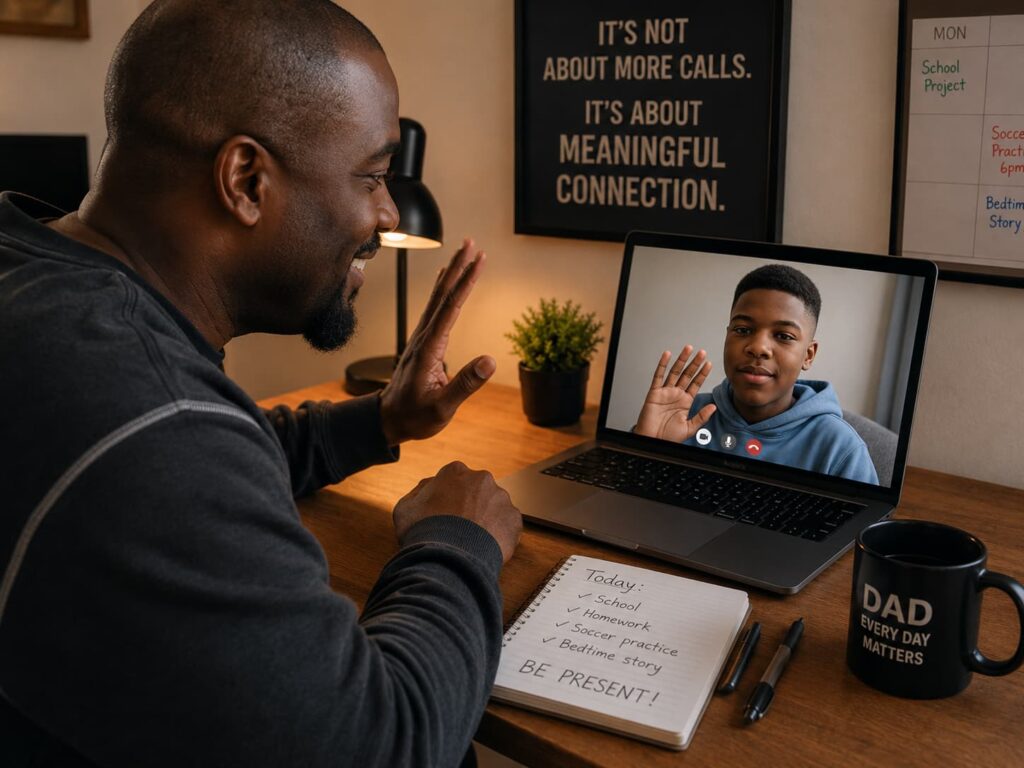
A long-distance parent can still join everyday life from another country or state. Send a message before the big day. Inquire about the practice afterward. Use a video chat for homework, birthdays, or bedtime. Make each call or visit intentional, distraction-free quality time.
That part of parenting from afar hurts, but planning can protect visitation. A custodial parent relocation can affect travel, schedules, and holiday plans. Geographic distance makes clear custody arrangements even more important.
A non-custodial parent should understand their parental rights and responsibilities under the specific order or agreement. A custodial parent relocation may require synchronizing schedules, notice requirements, or court orders. Legal questions should be reviewed with a qualified local professional.
You may miss the moment, but you don’t have to miss what it meant to them.
Tell Them Why You’re Away
Honest and open conversations are a breath of fresh air, which keeps everyone on equal footing. Even speaking on why Dad cannot be there full time or even otherwise.
You can tell them that Daddy made mistakes and must follow certain rules before he can return. Avoid frightening legal details, and remind your children they aren’t responsible. These conversations hurt, but gentle honesty builds trust. Sometimes, softer words make the truth easier to carry for the young ones.

Trust Is Rebuilt in the Return
Emotional withdrawal feels protective when distance hurts. Long-distance parenting makes that urge understandable, but pulling away creates another wound. A long-distance parent may need support, not shame, to stay connected.
We can only do so much from our current situation. Give yourself grace while taking consistent, realistic steps. Our children need a present parent.
One less battle to fight
Distance is hard enough without turning the co-parent into an opponent. A custodial parent relocation may require updated contact plans, travel arrangements, and a written parenting schedule. Review those details again if another custodial parent’s relocation changes the family’s routine.
Some families use shared custody, while others follow a primary-home and visitation model. Either way, share school updates, health information, schedules, birthdays, and custody arrangements.
Parental rights come with responsibilities, not permission to use conflict as a weapon. Don’t label the other parent a “deadbeat parent” during arguments. Don’t compete through money, presents, or guilt gifts.
Undermining a child’s relationship with the other parent is serious. Still, don’t casually diagnose parental alienation. A “deadbeat parent” label shouldn’t replace factual discussion about support, contact, or missed obligations. Keep adult conflict private, and seek professional help when communication feels unsafe.
Measure Success by What You Repeat
A healthier measure of long-distance parenting is not, “Did my child seem thrilled today?” Kids aren’t customer satisfaction surveys. They may be distracted, upset, or too young to explain what they feel.
Instead, measure repeated behaviors you can control. Return calls, remember details, repair missed contact, and stay calm when your child is distracted or upset.
Like:
- Keep promises
- Learn one new thing in each conversation
- Make room for a guilt-free talk
- Maintain a cordial co-parent relationship
- Focus on your own health
A dependable routine, including daily communication or a weekly video chat, should be realistic and maintained. It doesn’t need to make every interaction lengthy.
Your mental health affects how consistently you can show up. Caring for yourself helps you stay available for your child.
Fatherhood Doesn’t Stop at a Border
Living far away changes the parenting dynamic, but it doesn’t erase your place in your child’s life. Long-distance dad guilt may catalogue missed moments, but living apart doesn’t make you a deadbeat parent. Accountability means contact, support, honesty, and follow-through. Distance doesn’t erase your responsibilities or legal relationship with your child, including parental rights.
You may be parenting from a distance, but you are still parenting.
For live-away dads, support can make the difference between isolation and sustainable parenting. A family therapist, trusted friend, parenting group, or local service can help protect the father-child bond. Seek help for depression, hopelessness, substance use, isolation, anger, sleep problems, or other mental health concerns. If self-harm is a concern, contact emergency services or a crisis line immediately.
Information and helpline for support in the United States & United Kingdom




2 Comments
Comments are closed.