Airports have a strange way of making time feel dishonest. The days leading up to a visit drag, but long-distance parenting visits seem to vanish once they begin.
That is the challenge of parenting from afar. You spend much of the year waiting for your children to arrive. Then you try to make limited parenting time feel meaningful before the next goodbye.
Long-distance parenting visits always feel like a bright little island in the middle of a long stretch apart. That is the highlight, as simple as it may appear.
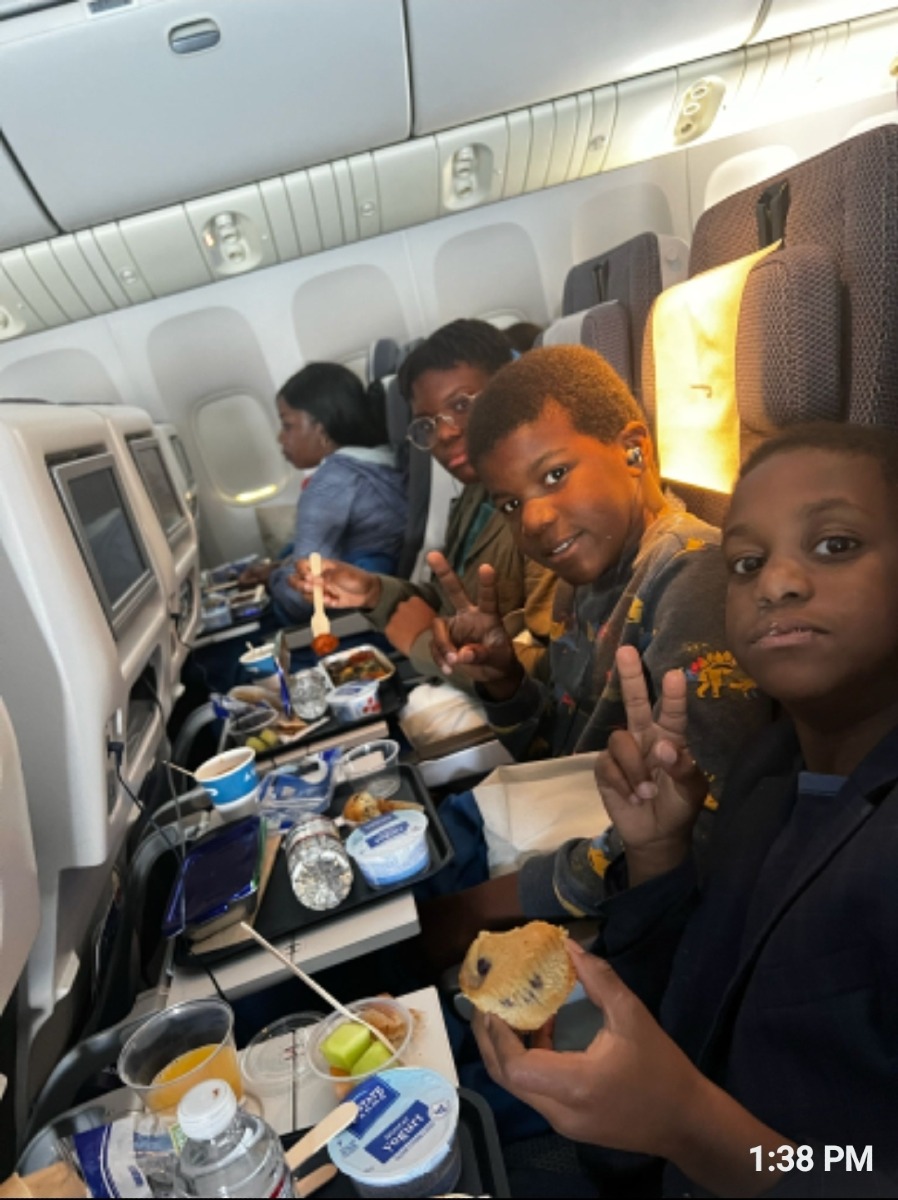
Photo by Curtise
Key Takeaways
- Begin the visit before travel day with calm, realistic anticipation and a long-distance parenting plan.
- Let your child choose a few simple plans so the time feels shared.
- Protect ordinary moments during parenting time, not only big outings and special treats.
- Soften the goodbye by planning the next call or visit.
- Keep showing up after the visit through consistent calls, messages, and care.
Establish the Foundation Before Their Arrival
For children, the visit starts before they board the aeroplane. Anticipation can bring excitement, questions, and quiet worries about what to expect.
Prepare Emotionally and Practically
Tell your children what you know, rather than promising what might happen. Ask what they’re looking forward to, and listen for concerns about sleeping arrangements, favourite toys, and one-on-one time with you.
Before making promises, review the parenting plan agreement and custody arrangement, if any. A long-distance parenting plan can clarify expectations, while a custody schedule can confirm ordinary travel dates. An extended weekend may be a more manageable first visit than an overfilled first itinerary.
Before booking, check the school calendar, activities, travel costs, transportation, and airline rules, including unaccompanied minor requirements.
Families managing interstate custody should check the rules before children cross state lines. State-specific requirements can affect interstate custody, especially when travel overlaps with holidays or changing schedules. For interstate custody, verify the details in the actual order or plan rather than assuming an informal arrangement is sufficient.
Questions involving relocation after divorce, custody modification, UCCJEA jurisdiction, or custody order enforcement may justify speaking with a family law attorney. This isn’t necessary for every family, but professional guidance may be helpful when the written terms or travel plans are unclear.
Check who can care for your child if you’re unavailable. Review any right of first refusal, confirm whether it applies to travel or handoffs, and record the agreed process in writing or a coparenting app.
Build Excitement Without Overhyping It
Give your children a sense of what’s coming without making the visit sound perfect. Honest communication helps prevent disappointment and makes it easier for them to share their needs.
Get the Kids Involved in the Planning
Give the children some skin in the game. Having a say in the planning and organisation gives their voice equity.
Offer two or three choices. They might choose a Sunday museum trip, a board game, or their favourite restaurant. This shows that their preferences belong in your home and your time together.
I also like to ask, “What’s one normal thing you’d like us to do?” Baking cookies, walking the dog, or building a blanket fort may matter more than an expensive outing. If plans change, explain the update early and keep the focus on being together.

Don’t overplan or cram plans
The urge is understandable. When time is limited, you want to give your child every possible experience. A zoo, a movie, a restaurant, a museum, a day trip, new clothes, and plenty of photos can quickly fill the calendar. Soon, the visit becomes a race with snacks. No bueno.
Parenting time isn’t a race to provide constant entertainment or outperform the co-parent. It should create space to connect and make up for the time apart. Each visit also gives you a chance to learn who your child is becoming.
For instance, my youngest has a speech difference and is becoming more confident, thoughtful, and witty. Those qualities weren’t as noticeable last year. Overplanning would leave little time to slow down and notice these changes.
Long-distance parenting visits need room to breathe. Children often remember how they felt more than how full the schedule was. Quiet mornings reassure a quick settlement into a different home and routine before they enjoy anything else.
An extended weekend can still be meaningful without constant outings. Leave room for rest, conversation, and ordinary moments that don’t appear on an itinerary.
Slow Down and Enjoy the Ordinary
During visitation, let your child see what your day-to-day life is really like. Familiar routines help children feel secure instead of making them feel like vacation guests.
Allow your child to see you in the ordinary parts of life. Cook something together. Fold laundry while talking about school. Go for a walk without a destination. Sit nearby while they draw, play, or scroll through photos. These simple moments can strengthen the parent-child relationship and make the visit feel more natural.
School-age children may value these familiar routines as much as special activities. A child can feel connected while helping cook dinner, recycling an old joke, or relaxing beside you.
The most reassuring part of a visit is often discovering that you can be together without performing happiness every minute.
That doesn’t mean the visit should be dull. It means joy has space to arrive naturally. A silly joke over breakfast can become a memory. So can a rainy afternoon spent building something badly and laughing about it.
Leave Space for Unexpected Conversations
Some of the most meaningful talks arrive sideways. They happen at the most random times.
Living apart can make even a constructive conversation feel less impactful, but face-to-face, the meaning lands differently. The emotions, concerns, and conversations that have been building over time often come out more naturally when we’re together, and those moments tend to be the most meaningful.
If your child brings up worries about school, the other home, or the distance between you, stay calm and answer the best way you know how. You need to be present, honest, and kind.
NEVER ask questions that make your child feel like a messenger between adults. Children shouldn’t be pressured to report on either home or choose between them. Respectful co-parenting leaves them free to love both homes without guilt.

Soften the Transition Home
Goodbyes are difficult, especially after a long visit. Help children see them as a continuation through scheduled video calls, shared plans, and thoughtful notes.
Talk about what happens next before anyone leaves. Mention a favorite memory, plans for school, or a movie you’ll watch together during your next call.
Make plans for the next visit
If dates are known, share them. If they aren’t final, connect the next dependable contact to the custody schedule instead. “I’ll call you Sunday after dinner” gives a child something solid to hold.
Regular video contact matters between in-person visits. These virtual visitation suggestions include setting consistent call times and communicating schedule changes in advance.
Discuss travel logistics before the final hour. For an interstate custody visit, confirm departure and arrival arrangements with everyone involved. State-specific orders may affect the next transition in interstate custody, so review those details early.
If your order or plan includes a right of first refusal, confirm how it applies to childcare during travel before the child leaves. Discuss the right of first refusal with the other parent, then record any agreed exception through electronic communication. Never assume the right of first refusal applies unless your order or plan includes it.
Keep One Small Exit Transition Active
A small, predictable ritual can make leaving feel more manageable. My cousin Royden makes excellent ice cream, and for two years now, it has been the Last Dinner before the boys leave. The familiar taste gives them something comforting to carry home.
This ritual happened by mistake, but it became meaningful over time. Choose something simple that works for your family and can continue for years. We will still talk about the last dinner when they get home.
Keep the Same Energy even after they leave
Even after the bags are packed, the relationship and closeness should continue. Parenting time ends, but the connection still needs consistent attention between visits.
Send photos of memories that are still fresh, along with reminders of jokes you shared. A brief message before they board, such as “you mean the world to me,” can mean a lot without expecting a response.
Predictable check-ins, including calls or virtual visitation, reassure children that they know when they’ll hear from you.
Keep your word whenever possible. When plans change, explain early and offer a new time. Consistency is love made visible.
Frequently Asked Questions
How can I prepare my child for a long-distance parenting visit?
Talk honestly about what to expect, including travel, sleeping arrangements, and planned activities. Review the parenting plan and custody schedule early so the visit feels predictable for everyone.
Should I fill the visit with activities?
No. Choose a few meaningful plans, then leave room for rest, ordinary routines, and unexpected conversations. Children often remember how they felt more than how full the schedule was.
How can I make goodbye easier after a long visit?
Talk about what happens next before the final day, such as a scheduled call or the next visit. A small goodbye ritual, familiar meal, or shared plan can make the transition home feel less abrupt.
How do I stay connected between in-person visits?
Keep communication predictable through calls, video chats, messages, or shared photos. When plans change, explain early and offer a new time so your child knows they can depend on you.
What should I check before travelling across state lines?
Review the custody order or long-distance parenting plan, including travel dates, handoffs, and any right of first refusal. State-specific requirements can affect interstate custody, so seek professional guidance if the written terms are unclear.
The Bond Continues After Goodbye
I’ve learned that successful Long-distance parenting visits aren’t measured by perfect plans. They’re measured by whether my children leave feeling safe, loved, and certain our parent-child relationship continues after goodbye. A photo, an inside joke, and a promised call can turn one goodbye into a lasting connection.




2 Comments
Comments are closed.