Out of ideas for low-prep sensory activities? I trained this custom GPT just for parents like you, focused only on everything sensory play for toddlers.
Regardless of whether you want simple setups, low-mess fun, or something educational, just ask. It delivers real answers. No scrolling. No shenanigans.
https://chatgpt.com/g/g-683f4d2aff148191a8cb5cd543d6c2a3-sensory-play-guide
Your pic of everything sensory

I think it’s fair to say we all go through a point where we just want to simply allow our children to watch 1 or 2 shows just to get a breather.
But the level of ease is in the eye of the beholder.
What if I told you I have low-prep sensory activities, which are the answer to your unprayed prayers? These activities entertain the energetic little ones while teaching them critical skills and fine motor skills, all at the same time.
They support toddler development and brain development through hands-on play.
Textured Play Ideas for Low-Prep Sensory Activities
Texture is one of the first things toddlers notice when they grab hold of anything, and it’s a great starting point for providing tactile input through simple setups.
This type of play pretty much forces their imagination to run wild, turning it into a wild adventure.
These suggestions tell you to use what’s already at your disposal and is up and running before you can say “stop touching that and put it down, please.”
1. Rice Sensory Bin
A rice sensory bin always wins for speed and simplicity. Take a shallow plastic bin or tray with uncooked rice and add a few measuring scoops, spoons, or small plastic animals, and boom, you’re good to go.
The goal is to let kids dig, pour, pinch, and sort using their hands or tiny tools. A small cup helps practice pouring, which builds hand-eye coordination and fine motor skills.
Since rice is inexpensive, taste-safe, easy to clean when dry (I don’t stress over the mess), and easy to sweep up. Sensory bins like this make it easy to see how kids respond to the sound and feel of pouring and squeezing with their fingers.
Rice Sensory Bin Quick Steps:
- Fill a shallow container with rice.
- Add a small cup, scoops, and a few objects.
- Let kids dig, pour, and sort however they want.
2. Quick Playdough Creations
Playdough has always been a staple for sensory play and never gets old.
When in doubt, I sometimes use a quick 5-minute playdough recipe with non-toxic materials:
2 cups flour, 1 cup water, a splash of oil, and a few drops of food coloring. Stir everything until the dough comes together. That’s all it takes.
If you want, stir in a little glitter or a sprinkle of cinnamon. It changes the smell and adds extra sensory fun.
After the playdough is done, kids tend to play in classic ways. They roll balls, press flat “pancakes”, and shape whatever they like.
Also, simple tools can spark new ideas. Try forks, cookie cutters, or even a few clean leaves from outside.
Best of all, this hands-on play builds finger strength and bendiness. As a result, toddlers get fine motor practice that supports writing later.
Why playdough works:
- Built-in fine motor practice
- Can be flavored or scented for more sensory input
- Flexible for any age or skill level
I highly recommend simple sensory play recipes for messy play activities for more ideas.
3. Cloud Dough Exploration
Cloud dough is another low-prep sensory activity that delivers a new form of fun.
The recipe is as follows: mix eight parts flour to one part oil (vegetable or baby oil) right in a bowl or bin using your hands.
Cloud dough feels soft and crumbly, kind of like damp sand. Kids love to squeeze it, squish it, and pack it into simple shapes, then let it trickle through their fingers.
To switch it up even more, add a few drops of food coloring before mixing, giving the cloud dough more visual pop.
Cloud dough unleashes creative play like no other as kids experiment, mold, and imagine. It’s perfect when you need a no-prep activity with a fresh texture.
Cloud dough activity tips:
- Start with a big bowl or low bin
- Let kids experiment with clumps and crumbles
- Pop some color in the dough for more interest
Low prep sensory activities like rice bins, playdough, and cloud dough are always ready to spark playful learning and happy hands.
Messy Play Made Simple
When it comes to low-prep sensory activities, messy play always tops my kids’ list for engagement.
Why, because they don’t clean, well, they actually do, but I’m just trying to make a point here.
With the right setup, you can give kids of all ages a messy play sensory experience without turning your kitchen into a disaster zone.
As a once stay-at-home dad, I’m a fan of finding that sweet spot where play is colorful, hands-on, and the cleanup is minimal.
4. Shaving Cream Sensory Sheet
The shaving cream sensory sheet is a classic low-prep sensory activity that delivers color and tactile fun, fast.
The best way is to use a cookie sheet or rimmed tray and spray a healthy layer of shaving cream, and add a few drops of food coloring.
This is another productive way for kids to have a blast running their fingers through the shaving cream, swirling colors, and scribbling shapes, which gives them a fresh spin on drawing.
The sensation of the soft, foamy surface is surprising and slightly squishy, which can be very soothing for toddlers.
Tips for making it work:
- Use basic shaving cream, not gel (it spreads more easily).
- A few drops of food coloring go a long way, so start small.
- Clean up is fast and easy to clean—just rinse the tray and wipe their little hands with a wet towel.
- You can press a sheet of paper onto the cream, then lift it for an instant marbled print.
5. Bubble Foam Fun
This brings a whole new level to low-prep sensory activities and messy play engagement. The simplest requirements for this are a squirt of dish soap, a splash of water, and a tiny bit of glycerin to enhance bubble structure.
I usually whisk or blend the mix until I get peaks of sturdy foam, then deposit it into a tray or sink and have kids go wild.
Why bubble foam?
- It’s light, soft, and full of pops and fizz, which is highly entertaining with extra sensory input.
- Kids can poke, scoop, and smash the bubbles, building hand-eye coordination and surprisingly strong hands.
- Add food coloring for extra color mixing fun
Even when trying a different sensory type of play, there is no right or wrong.
For even more sensory play ideas, take a look at this list of easy sensory activities you can try at home.
6. Mini Water Play Station
On hot summer days, if you are ever in doubt, water play is always a go-to low-prep sensory activity.
Fill a shallow plastic bin with a few inches of warm water, toss in a plastic cup, and maybe a couple of bath toys or spoons. That’s all it takes for instant kid appeal.
Why water play?
- Warm water is soothing and helps calm busy minds.
- Pouring, filling, and splashing support hand strength and fine motor skills, making it excellent for toddlers since it’s taste-safe.
- It takes less than two minutes to set up and can be used indoors or outside.
Mini water stations are super handy for seasonal play, also—try adding a little ice on hot days or small rubber ducks for extra giggles.
Nature‑Inspired Sensory Activities
Nature offers an endless supply of easy, low-prep sensory activities that encourage sensory exploration and provide tactile input to hold kids’ attention and fuel their play.
Sometimes, all it takes is for them to step outside and interact with nature as we are supposed to.
Leaning into nature’s simple materials, I can often make sensory play feel new and exciting without buying anything special.
These are three ways I can combine nature and sensory play for a whole lot of fun.
7. Leaf and Twig Sorting
Have you ever just collected leaves and had the kids sort them by shapes, textures, and sizes?
This turns a walk outside into a bit more than just a walk. I hand the kids simple collection bags, and we scoop up a mix of leaves and twigs from the yard or park.
Once we’re home, we dump everything onto a tray and sort using different rules:
- By size: small, medium, or large leaves and twigs
- By color: arrange from green to brown
- By texture: group rough twigs with smooth or fuzzy leaves
These easy classification exercises offer sensory input and help build fine motor skills as the basis for later math and science learning.
8. Fruit Aroma Exploration
When I want sensory play that wakes up more than just their hands, I turn to the kitchen for a fruit aroma smell test as a form of sensory exploration.
Slices of banana, orange, or kiwi offer a hands-on experience with scent, texture, and taste all at once. I lay out different pieces of fruit, and the kids have to tell me which one is as we go along.
- Touch: Bananas are soft and mushy, while orange segments have juicy, bumpy skin.
- Taste: Offer a taste and let kids describe the differences.
- Smell: Notice the distinct scents. Oranges offer a bright, zesty note while bananas bring a mild sweetness.
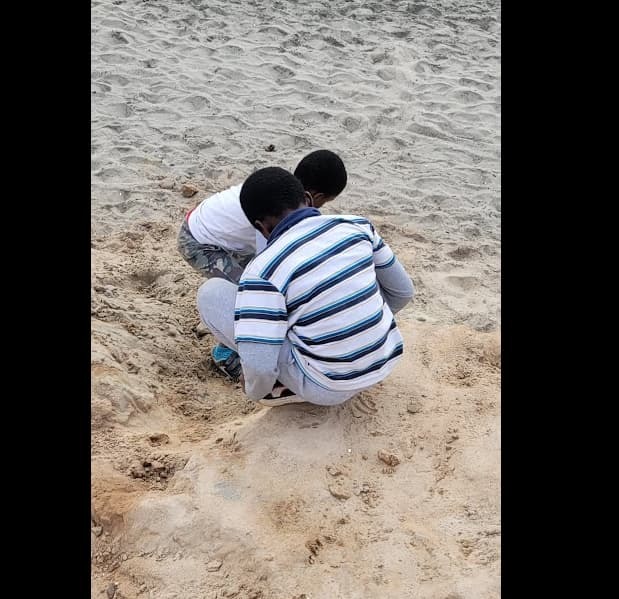
 9. DIY Sensory Sand
Nothing keeps kids busier than digging and pouring, so I like to make DIY sensory sand as part of my low-prep sensory activities.
Start by scooping sand into a sensory bin, then mix in a few drops of food coloring for an assortment of colors or a bit of essential oil for scent. This transforms basic sand into an explosion to the senses that increases engagement.
Kids love to:
- Scoop and pour with measuring cups
- Trace lines or shapes with their fingers or sticks
- Mix and layer colored sand
Nature inspires so much. Why not sensory play? Besides, it makes for low-prep sensory activities with an easy setup.
Everyday Household Sensory Play
This is secretly the same premise when taking everyday household items from home to make recycled products for school.
It is cheap, already available items, and just being creative in more ways than one, but in a sensory style. Busy moms love these sensory play ideas since they are so accessible.
Incoming, I’ll share a couple of my favorite sensory play ideas that need no prep and can be ready in less time than it takes to make a cup of mocha.
10. Paper Towel Tube Rolling
The empty paper towel tube might be the most underrated supply in my kitchen.
With a bit of colored tape or fun stickers wrapped around it, I turn this recycling bin staple into a sensory tool that draws kids right in.
I hand the finished tubes to my kids and set out a bowl of small beads or dry pasta shapes. For extra fun, add pom poms or pipe cleaners for the kids to push through the tubes, boosting engagement and fine motor practice.
Here’s how we use them for play:
- Slide beads inside: I tilt the tube and watch as beads tumble through, asking the kids to help guide or “catch” them at the other end.
- Experiment with texture and sound: Some beads make soft clinks, others thud or rattle. Kids notice the sounds and start to compare.
- Tape shut one end: This makes the tube a shaker, and the kids learn about cause and effect with each shake or roll.
With this simple homemade toy, kids learn hand coordination, match bead sizes with tube width, and use gentle force to move objects through.
I find this fits right in with classic sensory bins for toddlers, using kitchen basics for fast and fun sensory activities.
11. Scented Cotton Ball Discovery
This last but not least sensory activity is an advanced form of sensory exploration using common household items. It is more of a hide-and-seek of sensory games. The best way to do it is to use a handful of cotton balls and a couple of pantry extracts like vanilla or lemon.
Place a drop or two of different scents on each cotton ball, toss them in a small container or bin, and let the games begin.
How to set it up:
- Scatter scented cotton balls in a bowl or tray. Mix them up so the scents are hidden.
- Invite kids to close their eyes and use only touch and smell to figure out each scent. No peeking!
- Compare and guess: “Which one smells sweet? Which is a little sharp?” Pointing out the differences builds new language and sentence structures around what they sense.
Scented cotton ball discovery is just another in my arsenal of easy sensory activities that encourage sensory play that leaves minimal mess behind.
This is more than just sniffing; it’s about paying close attention, exploring how our noses and fingers can work together, and giving kids the confidence to describe what they feel and smell.



2 Comments
Comments are closed.